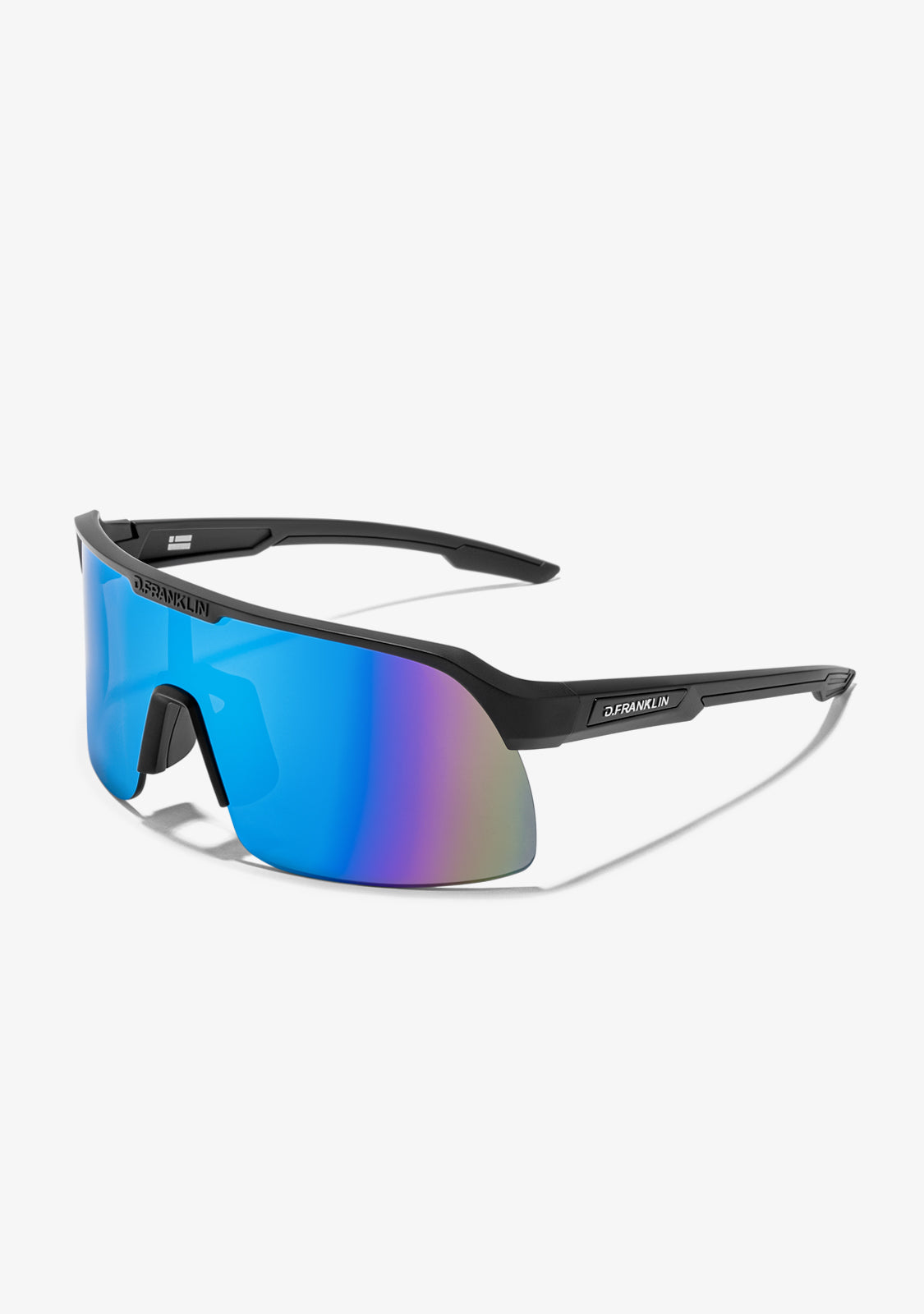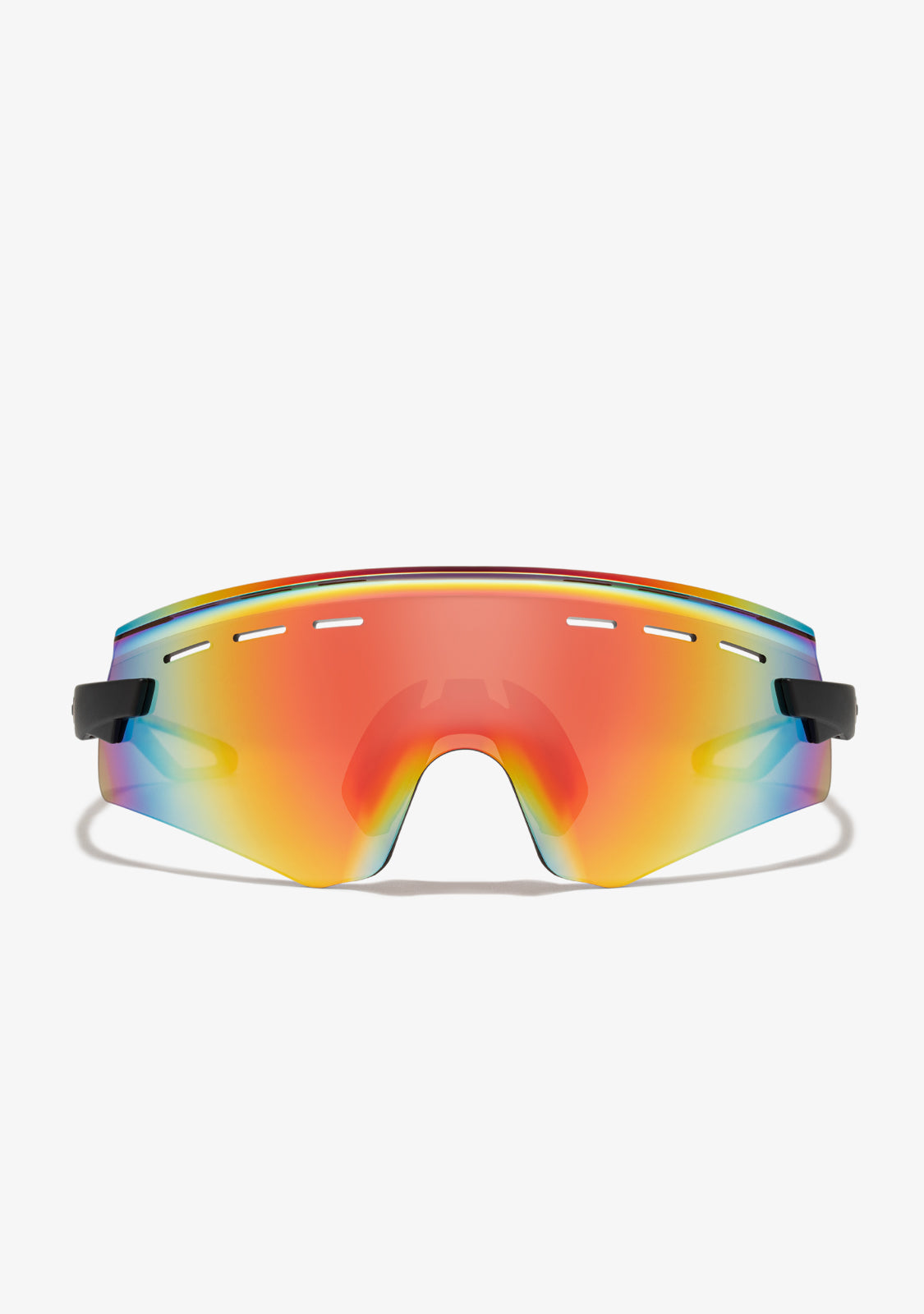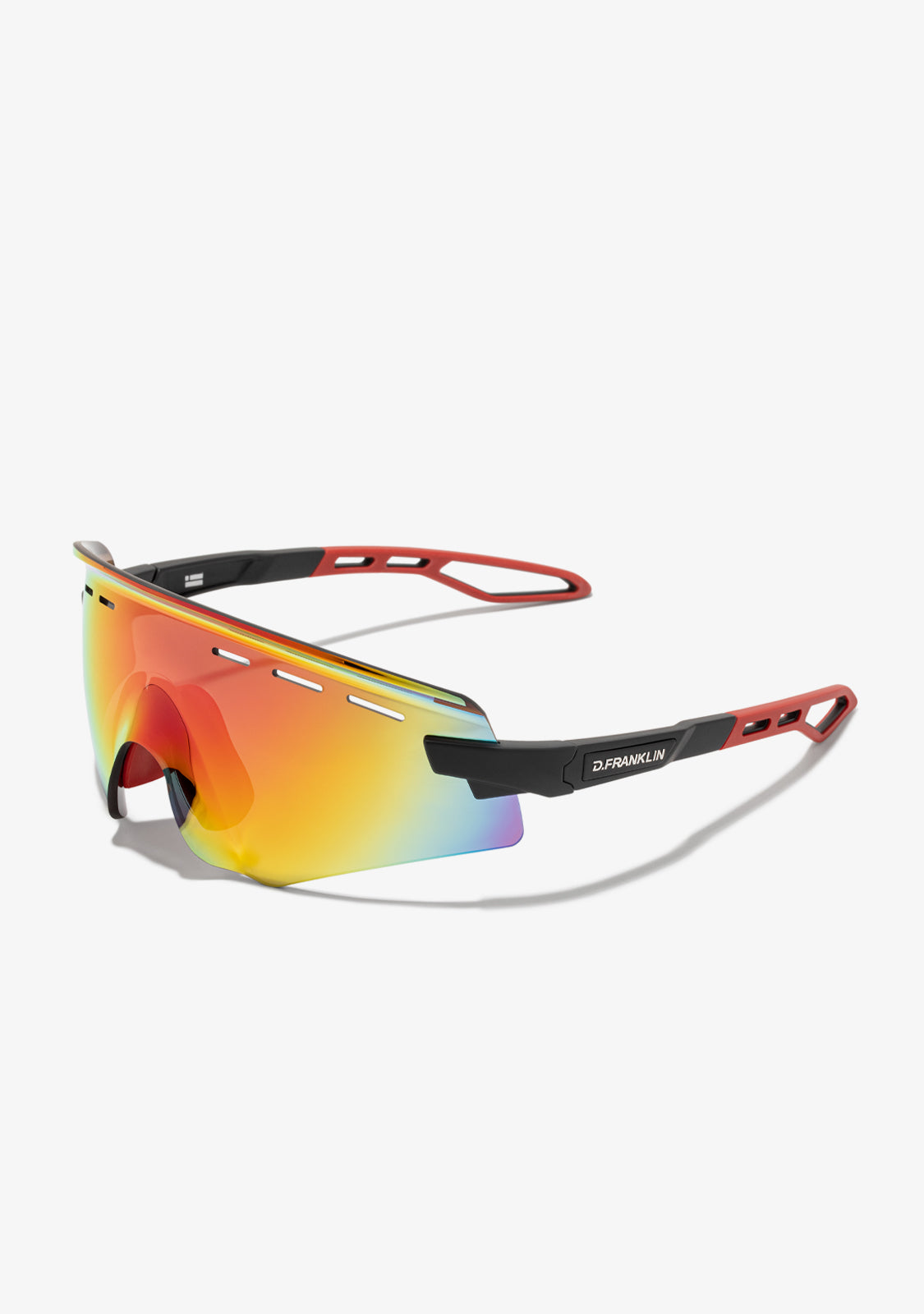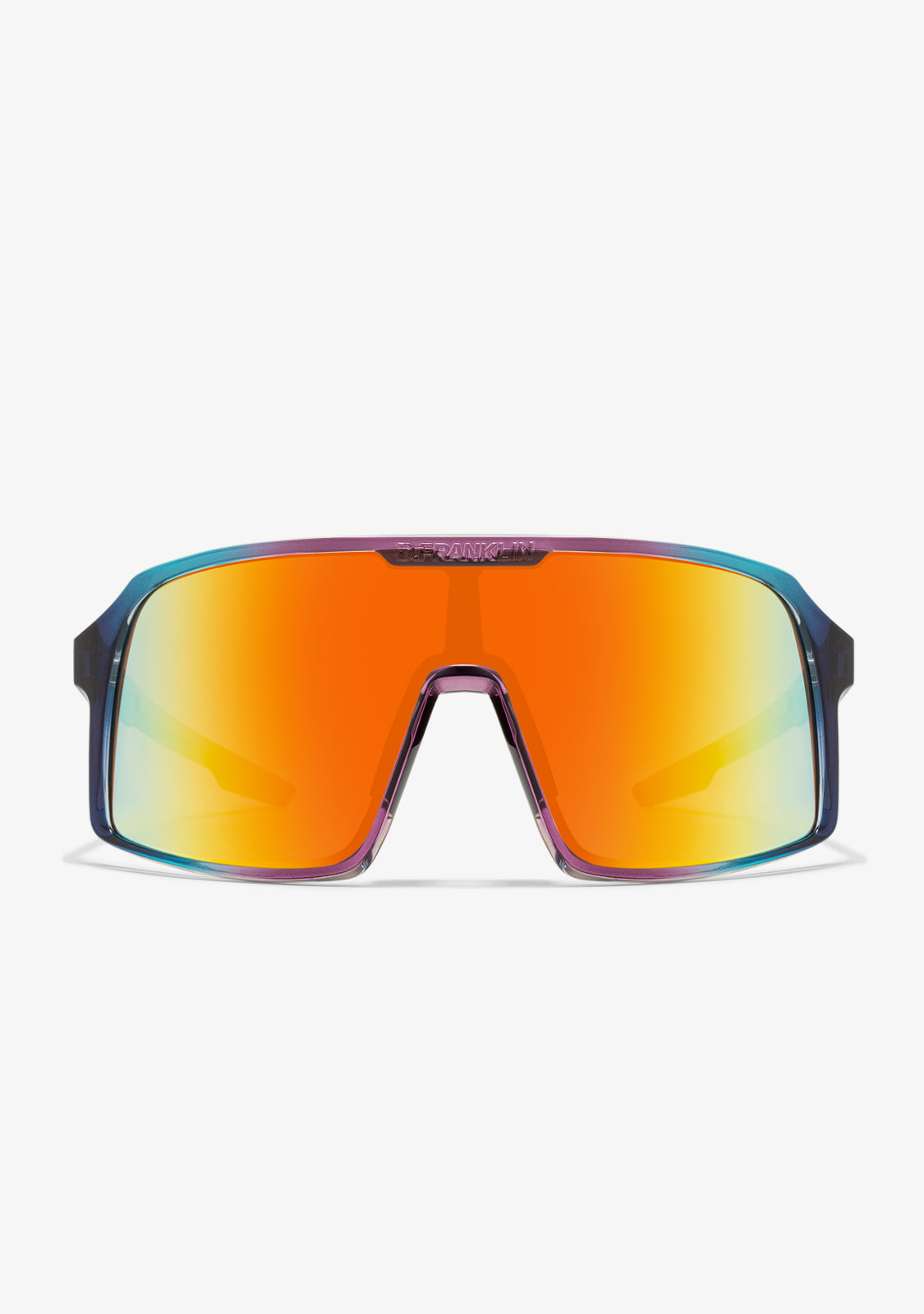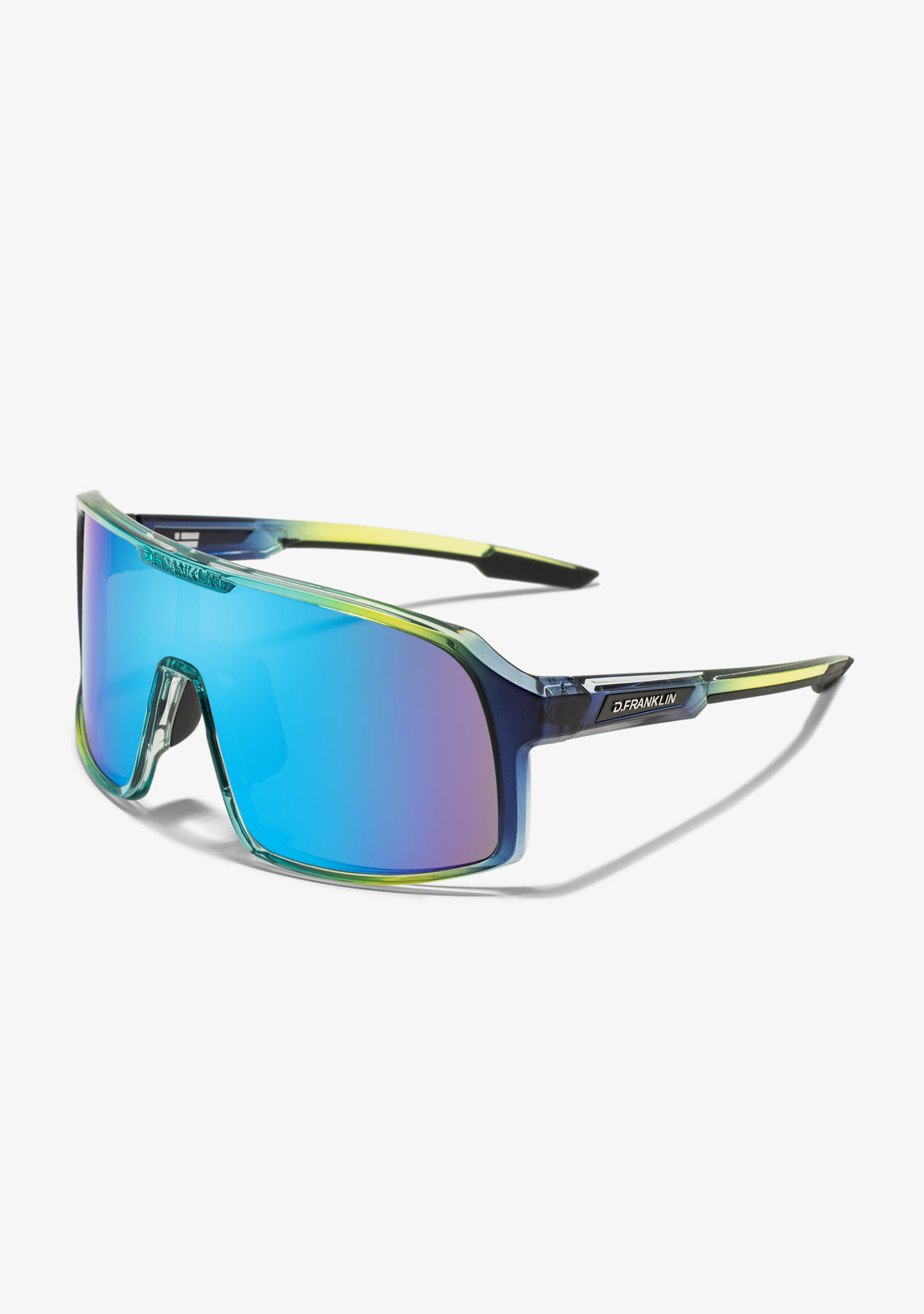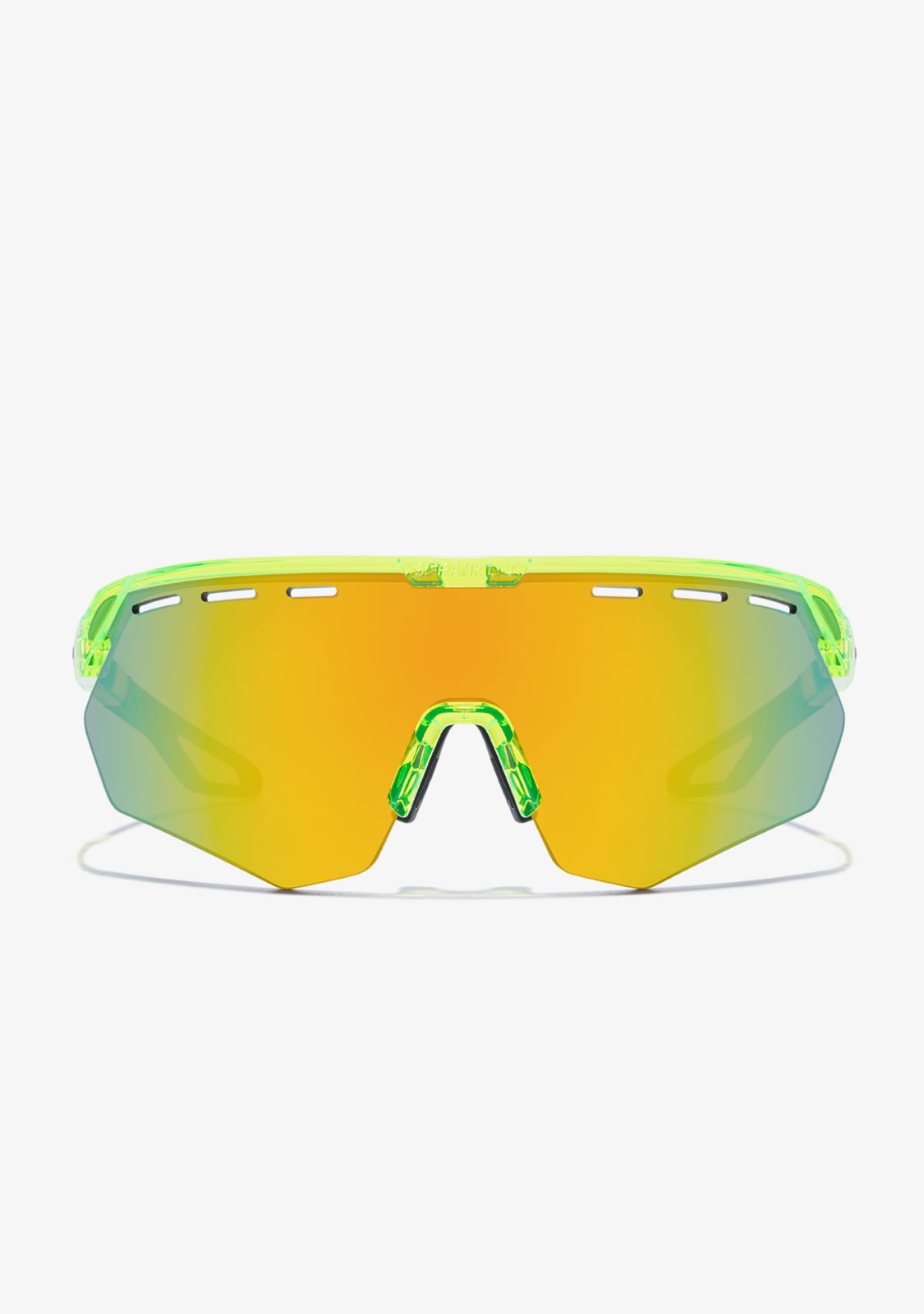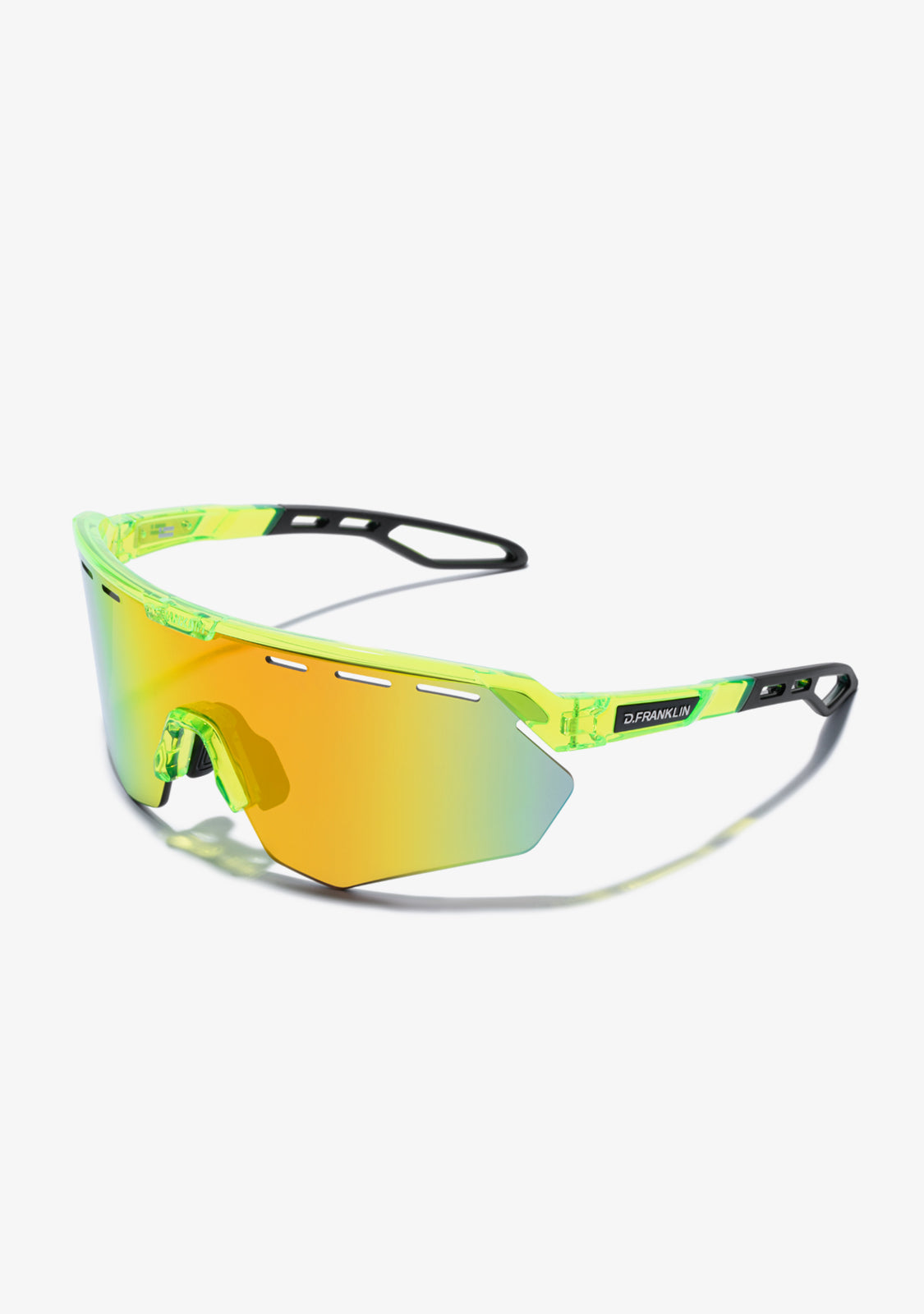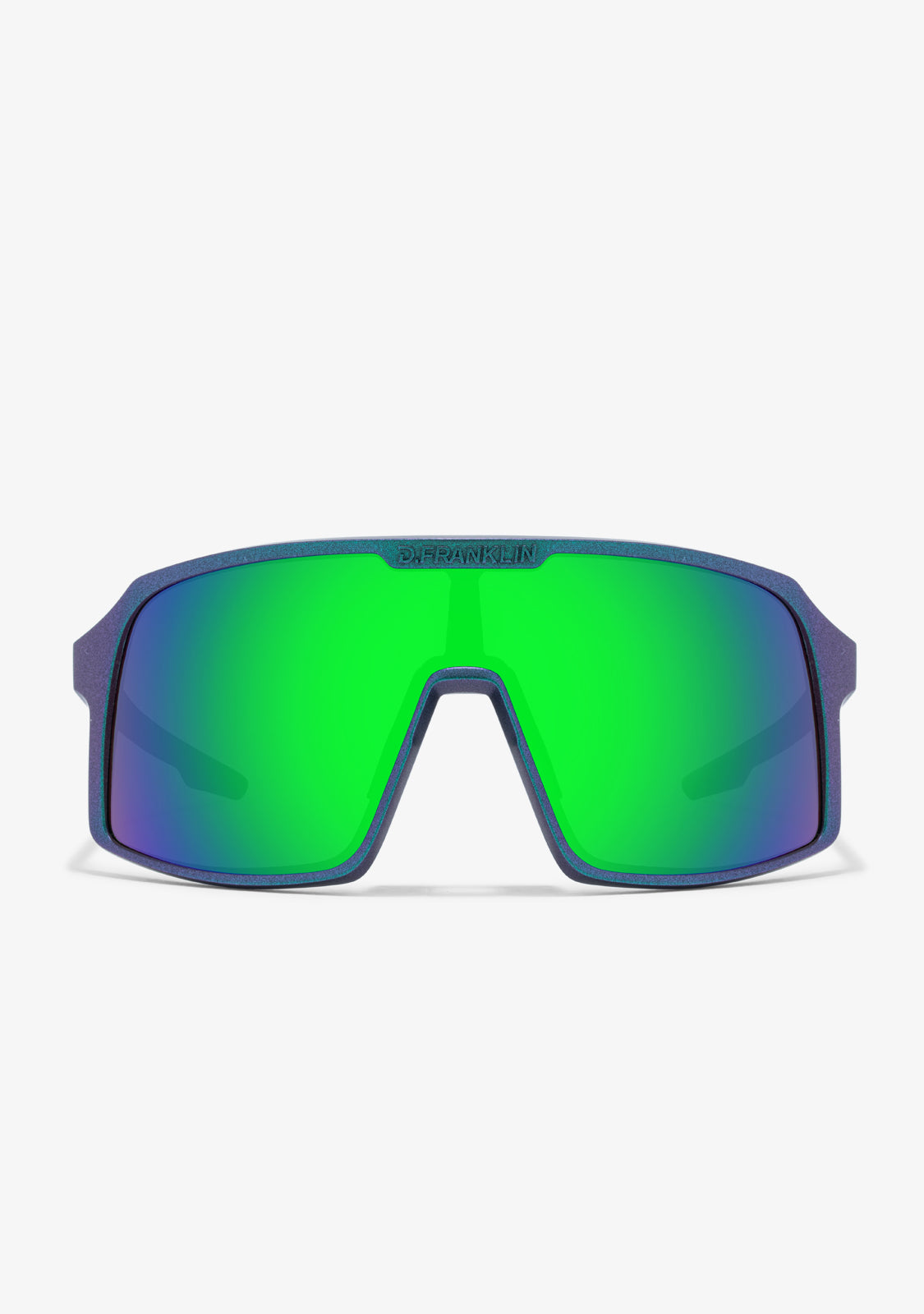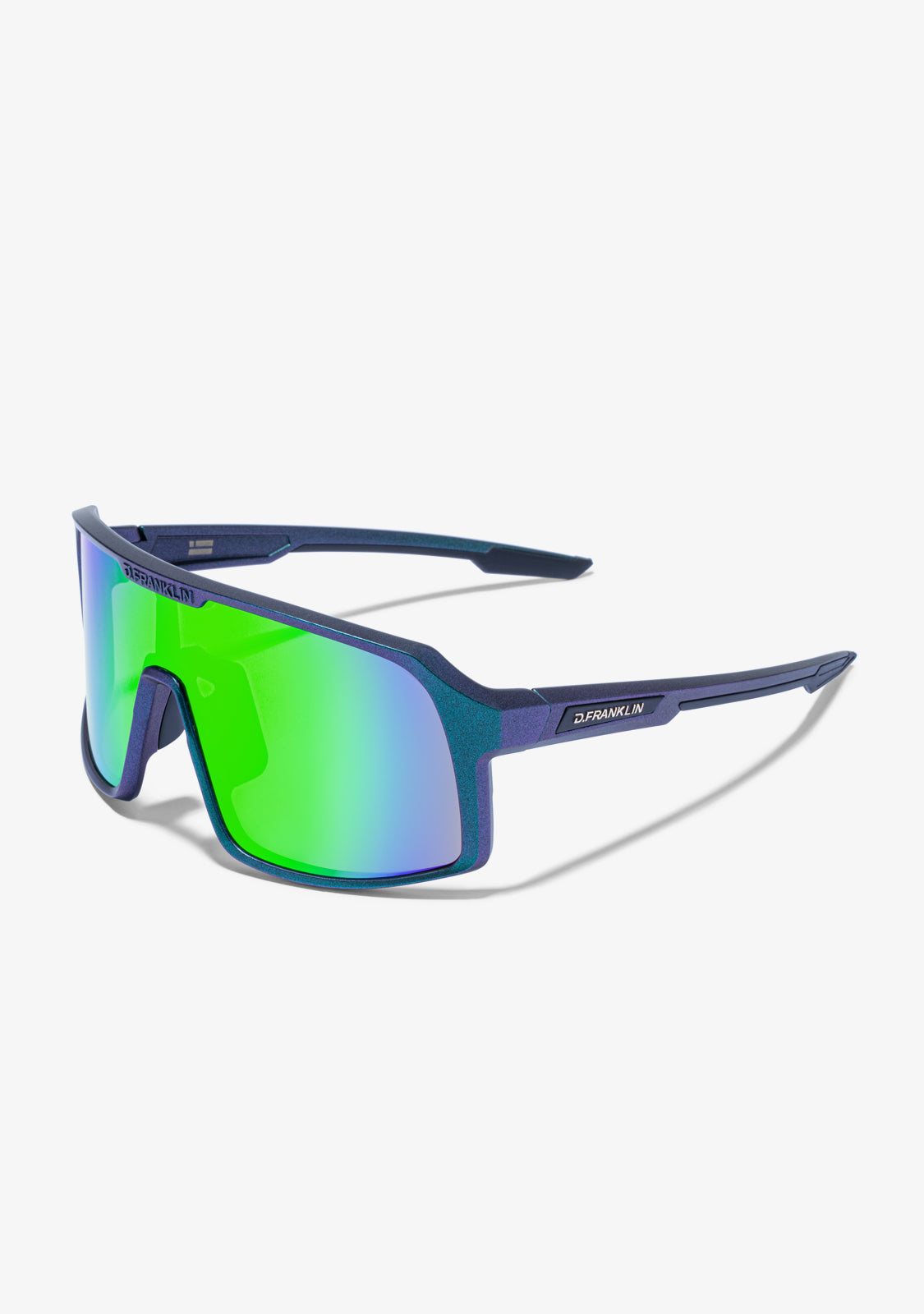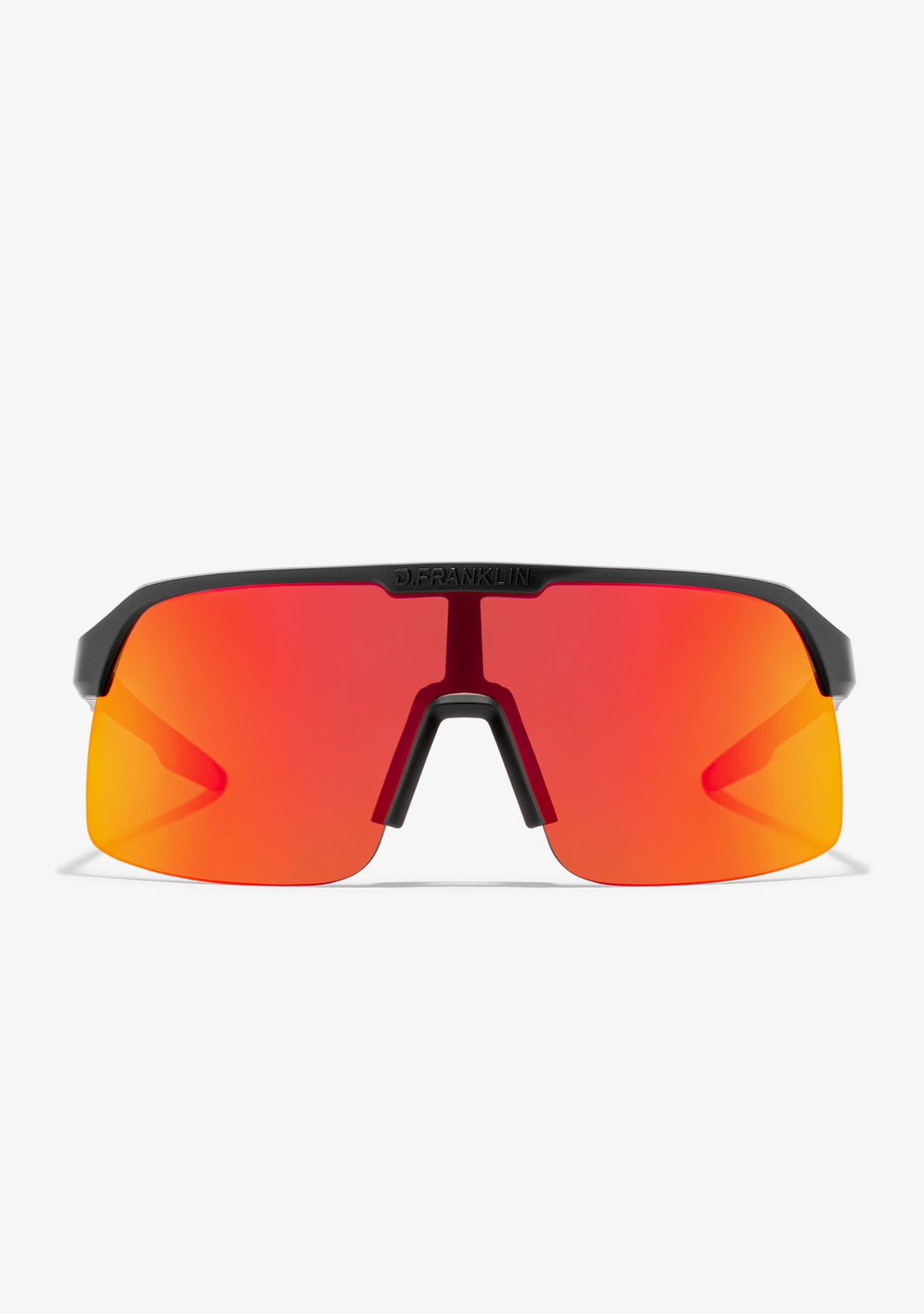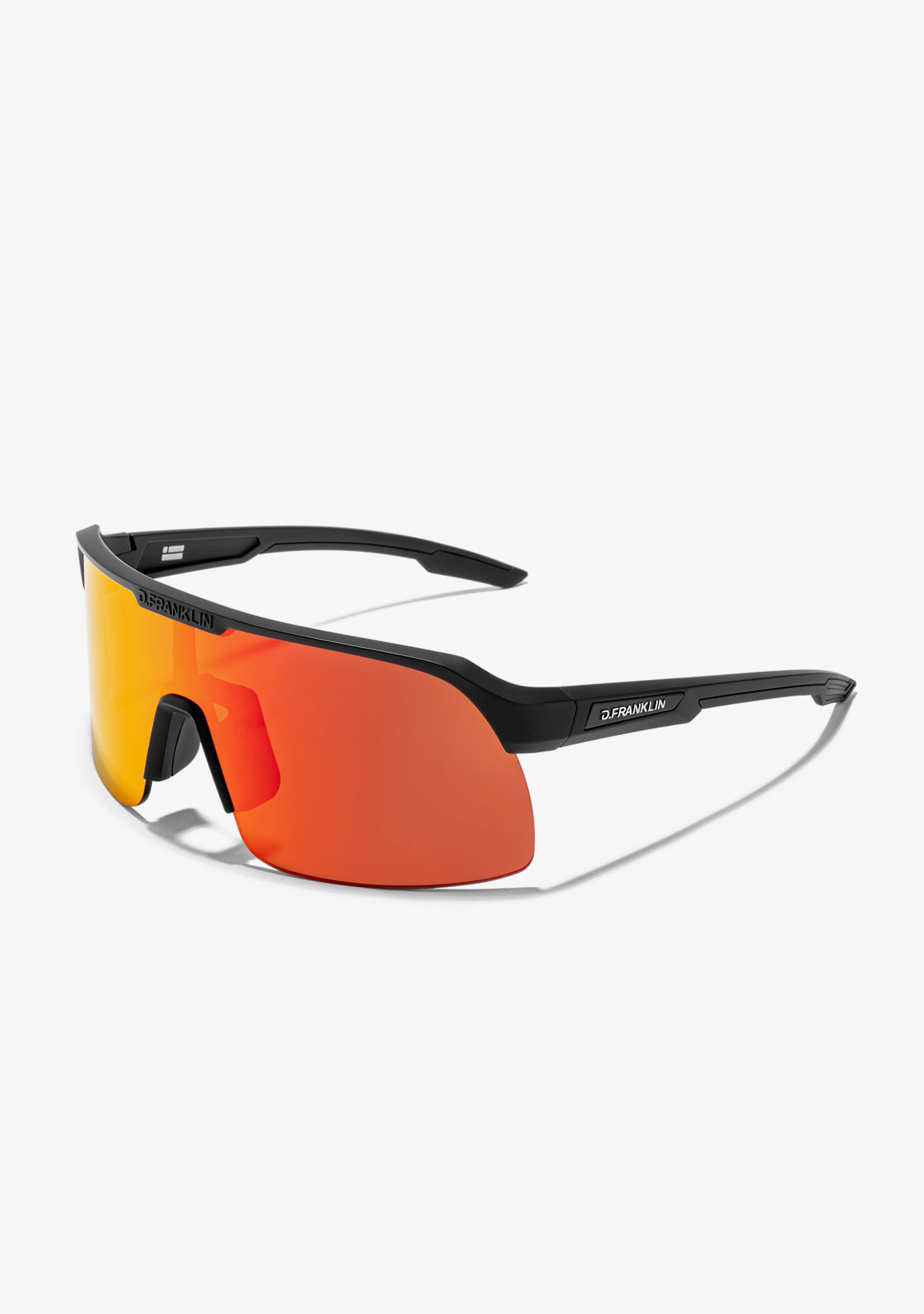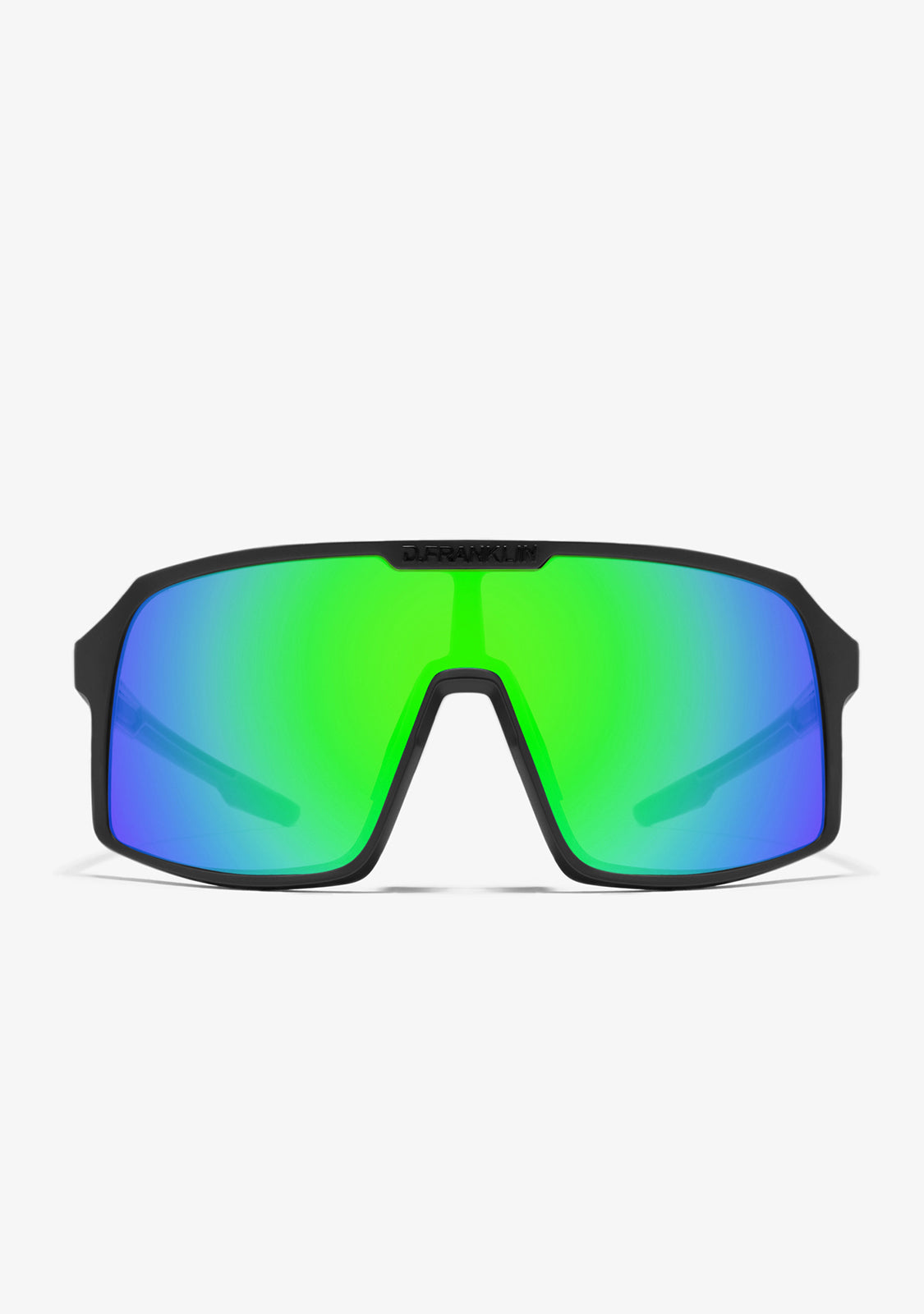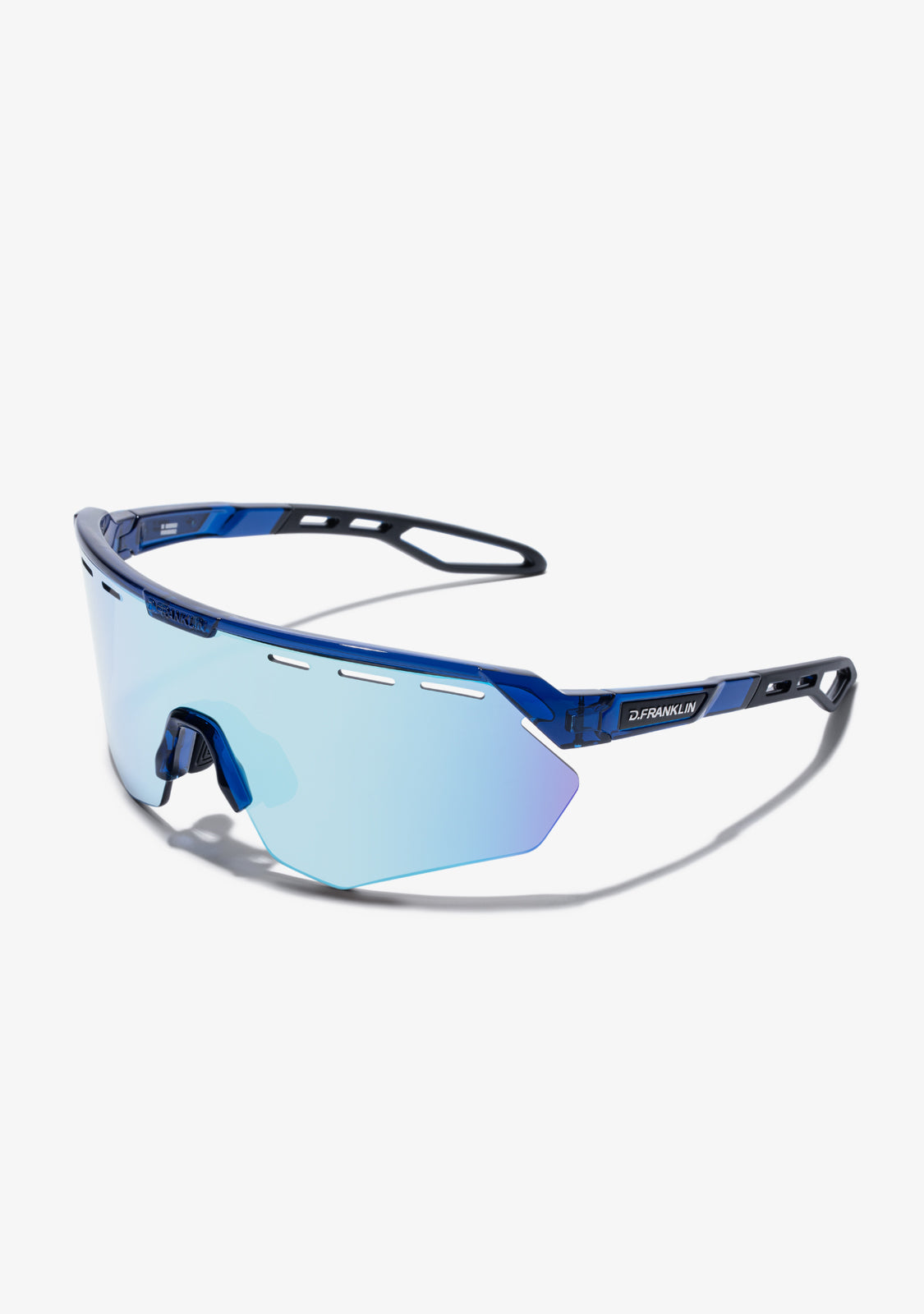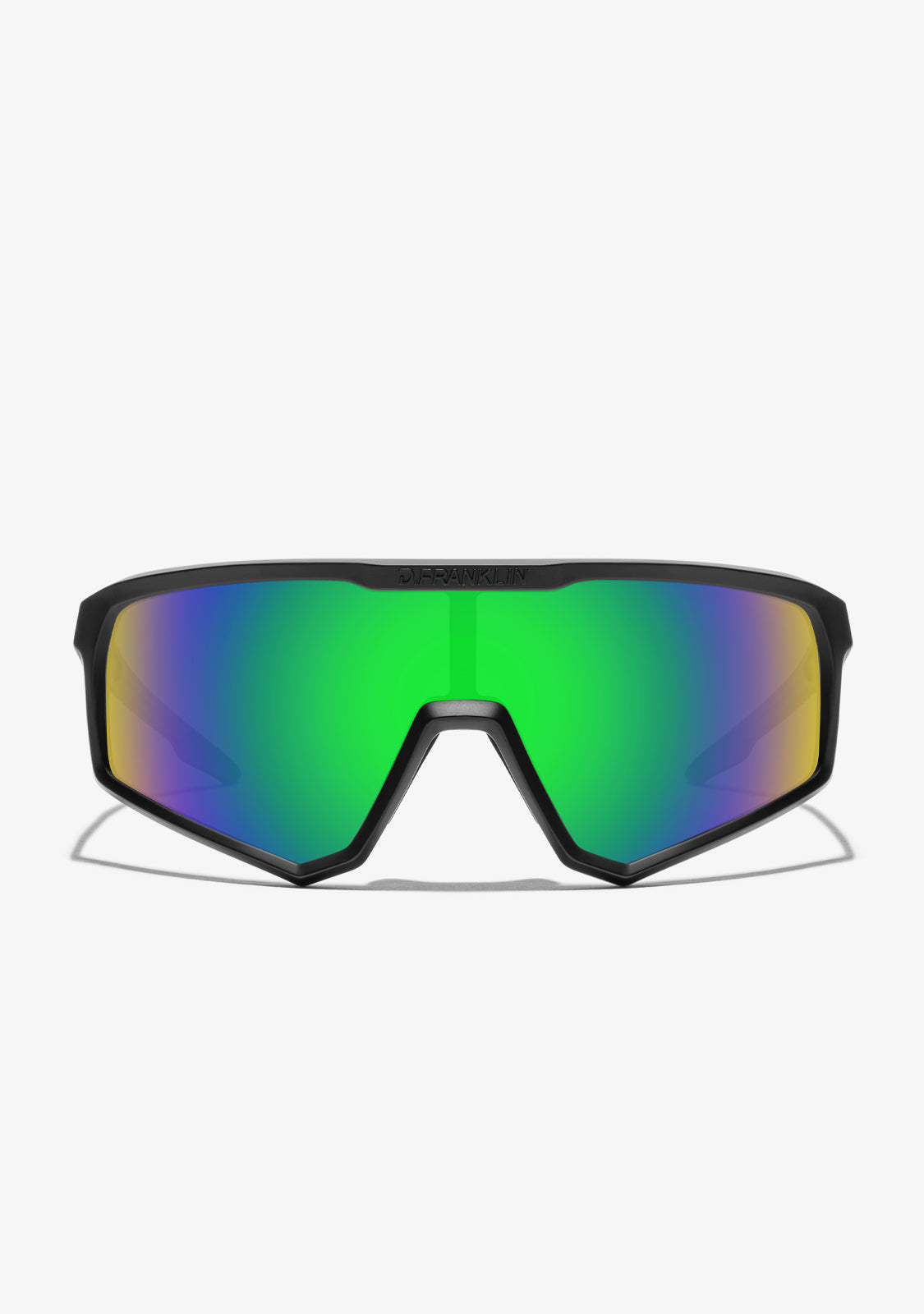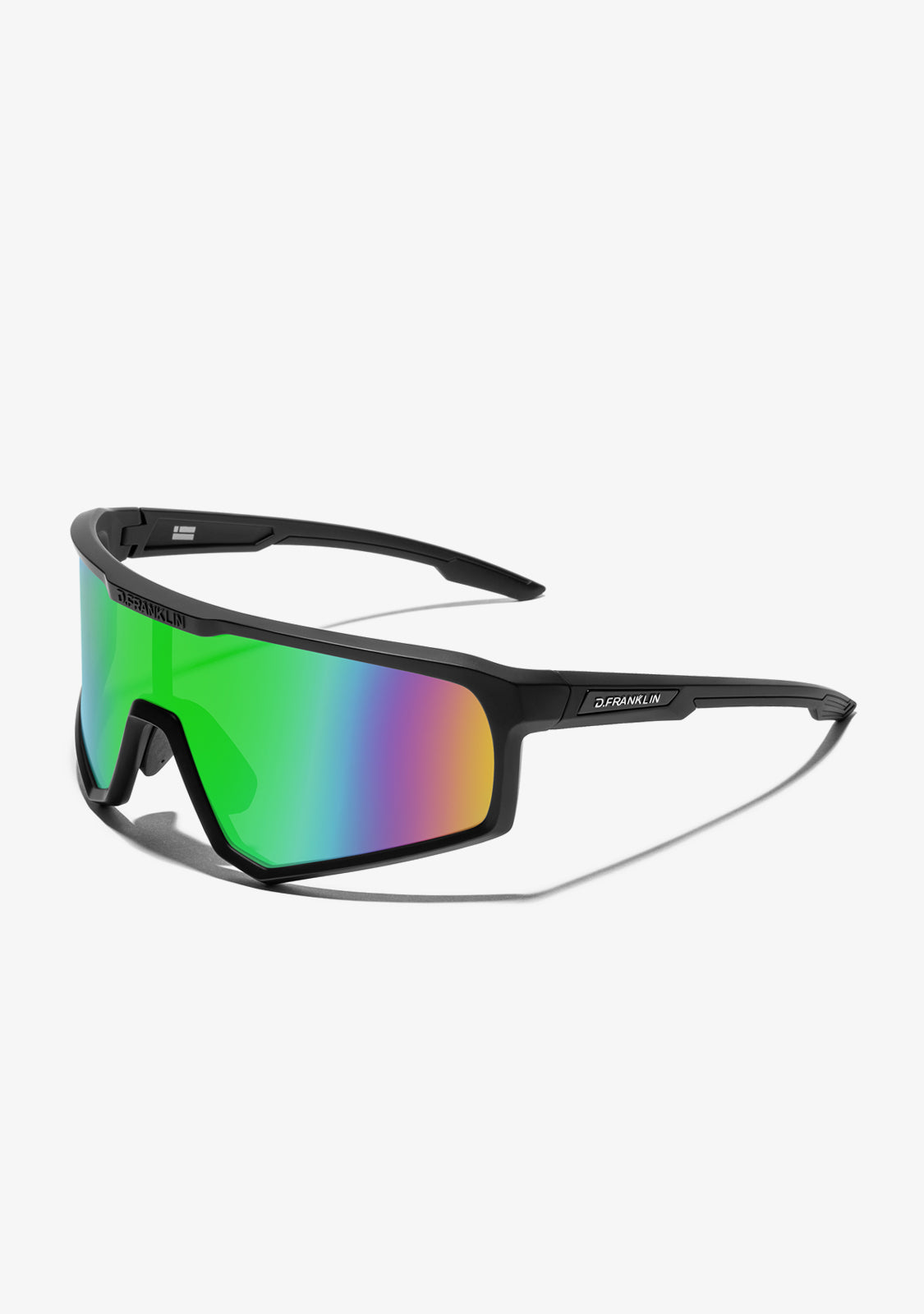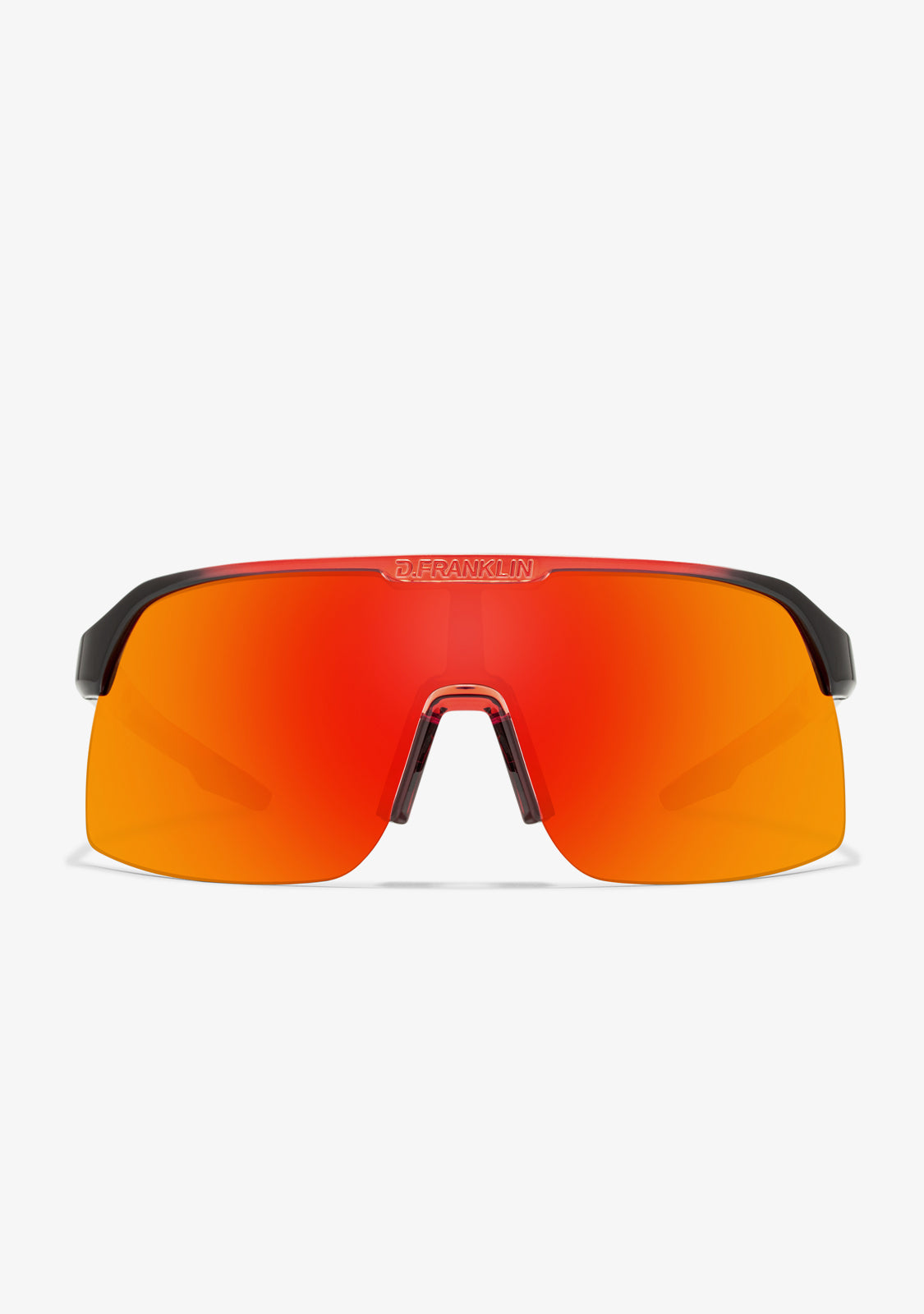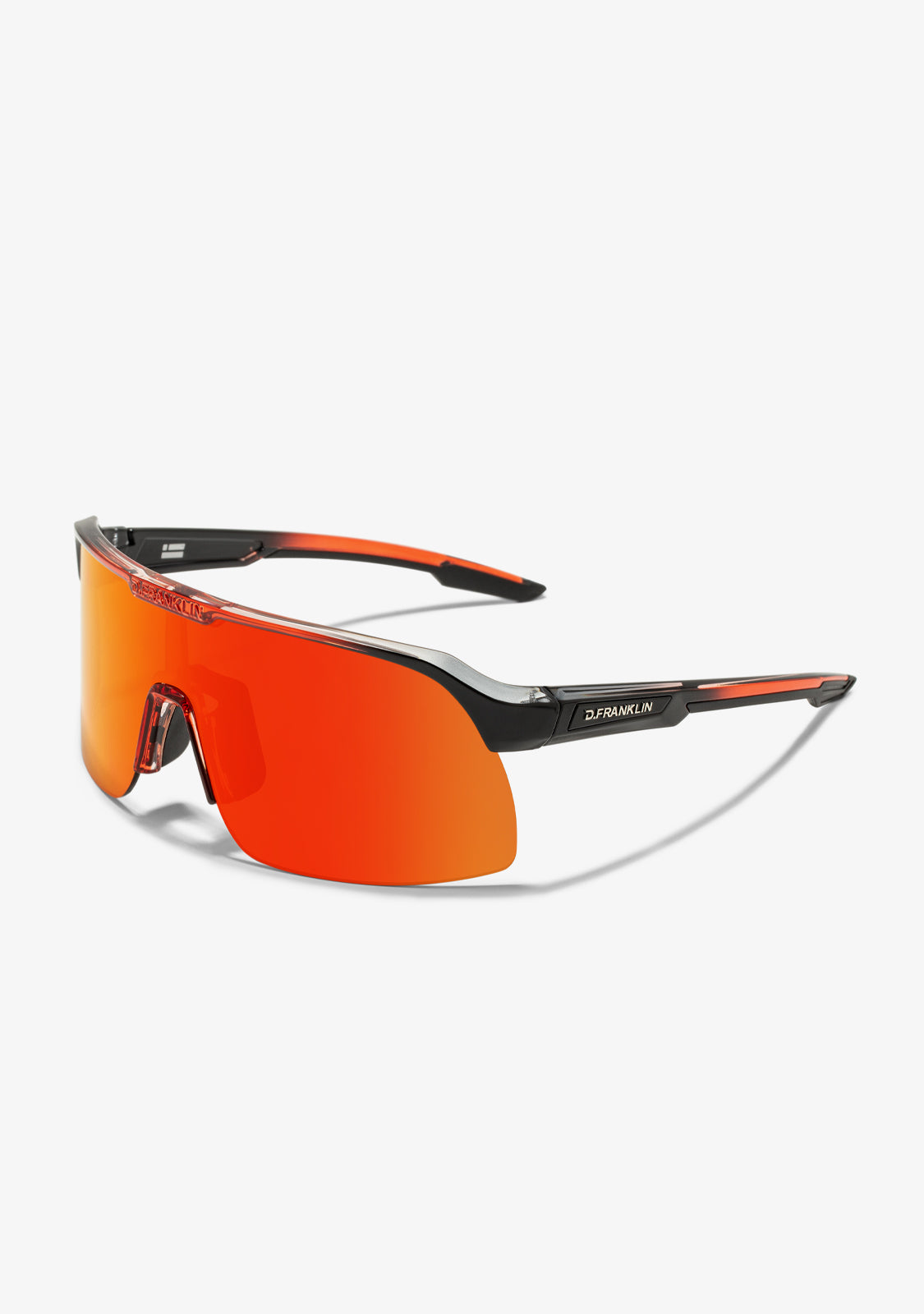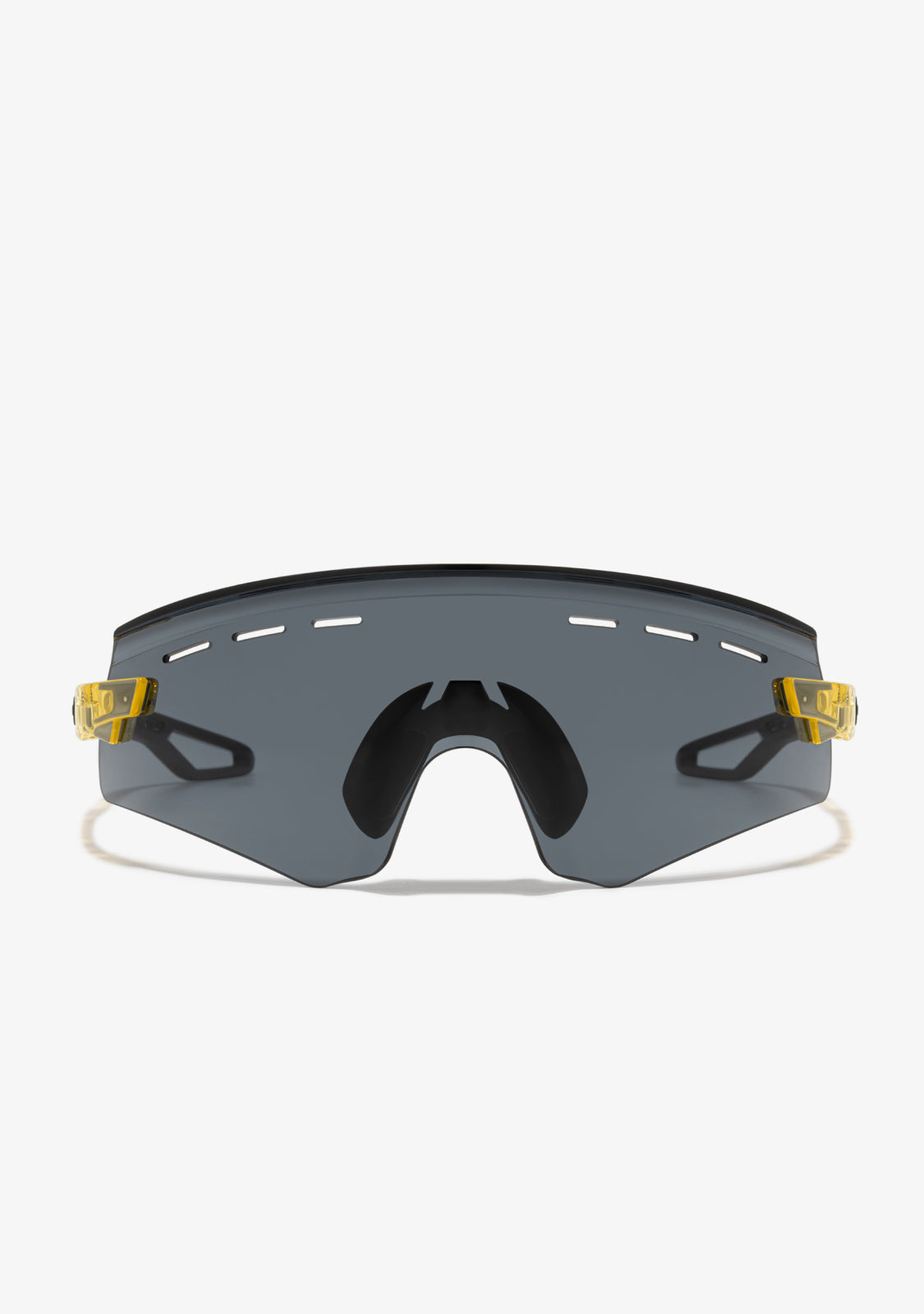
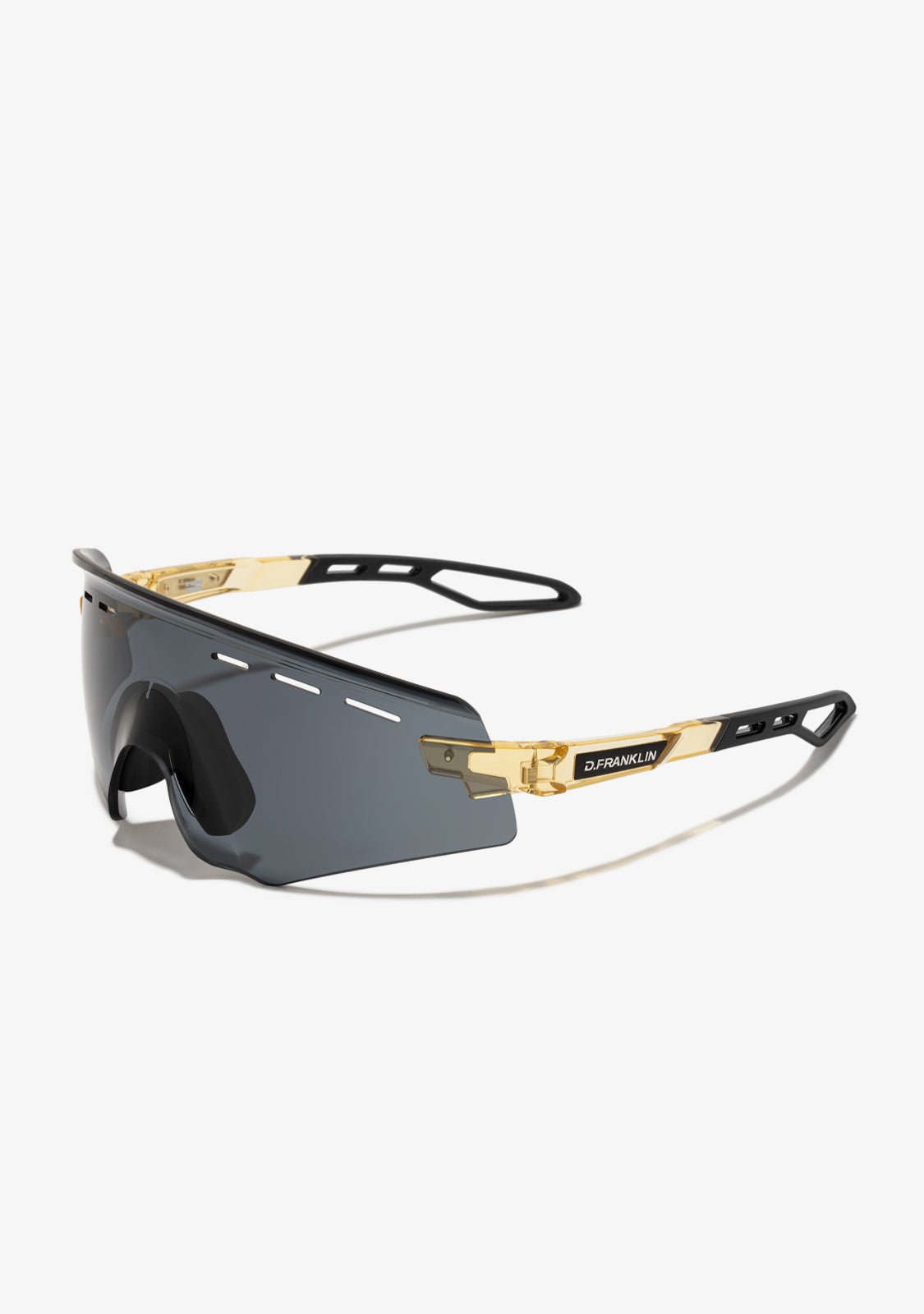
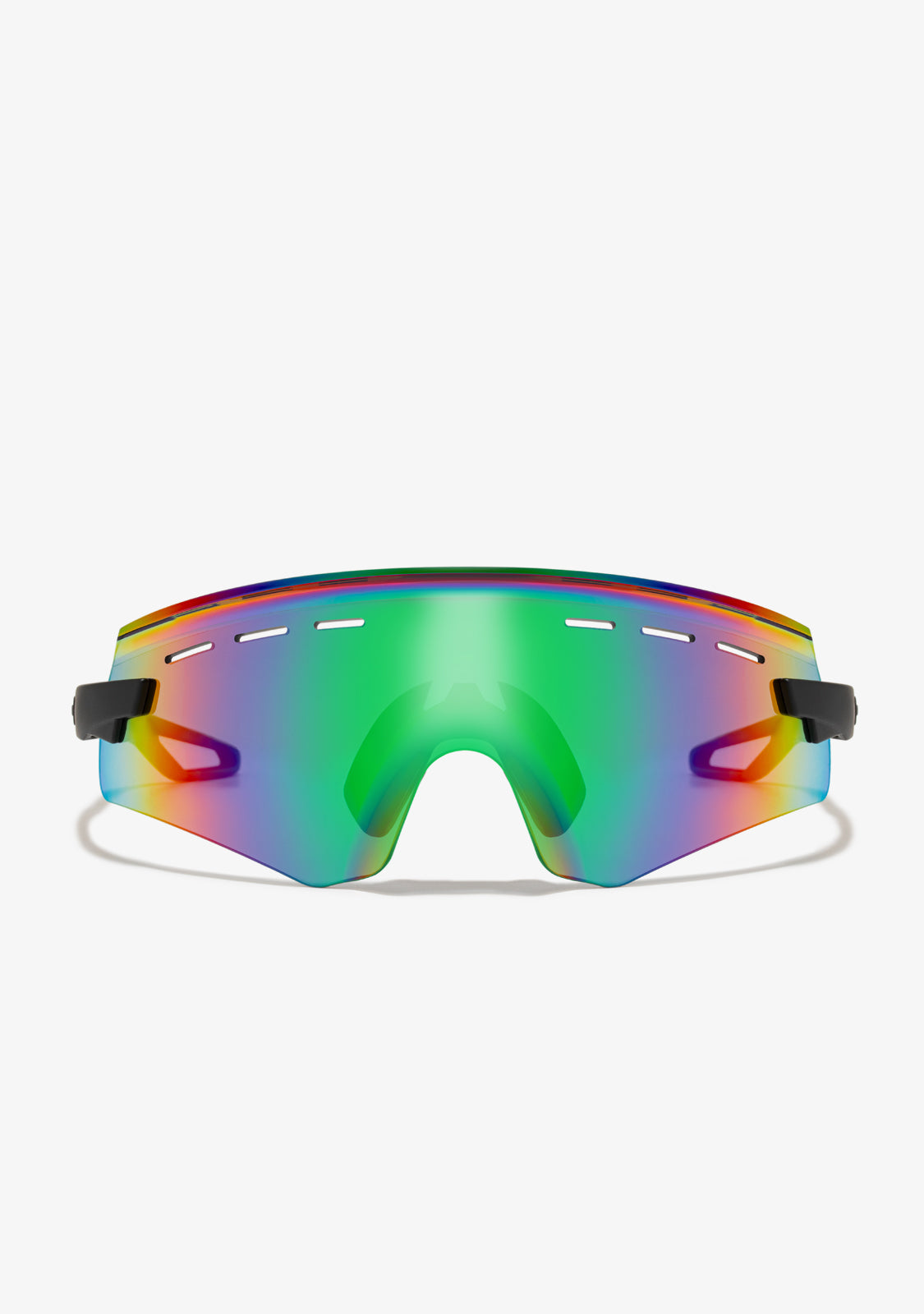
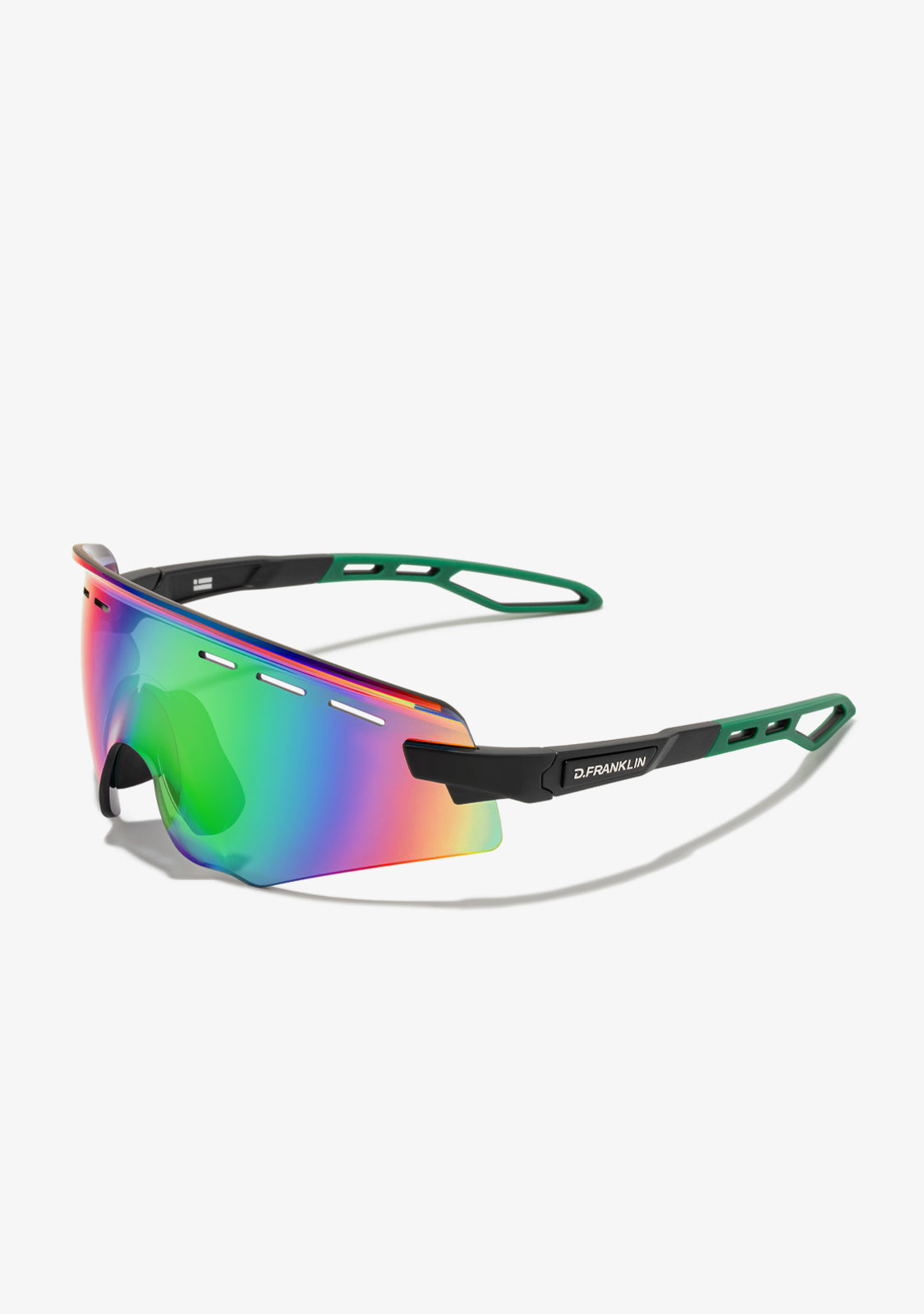
Cycling Sunglasses
Cycling Sunglasses
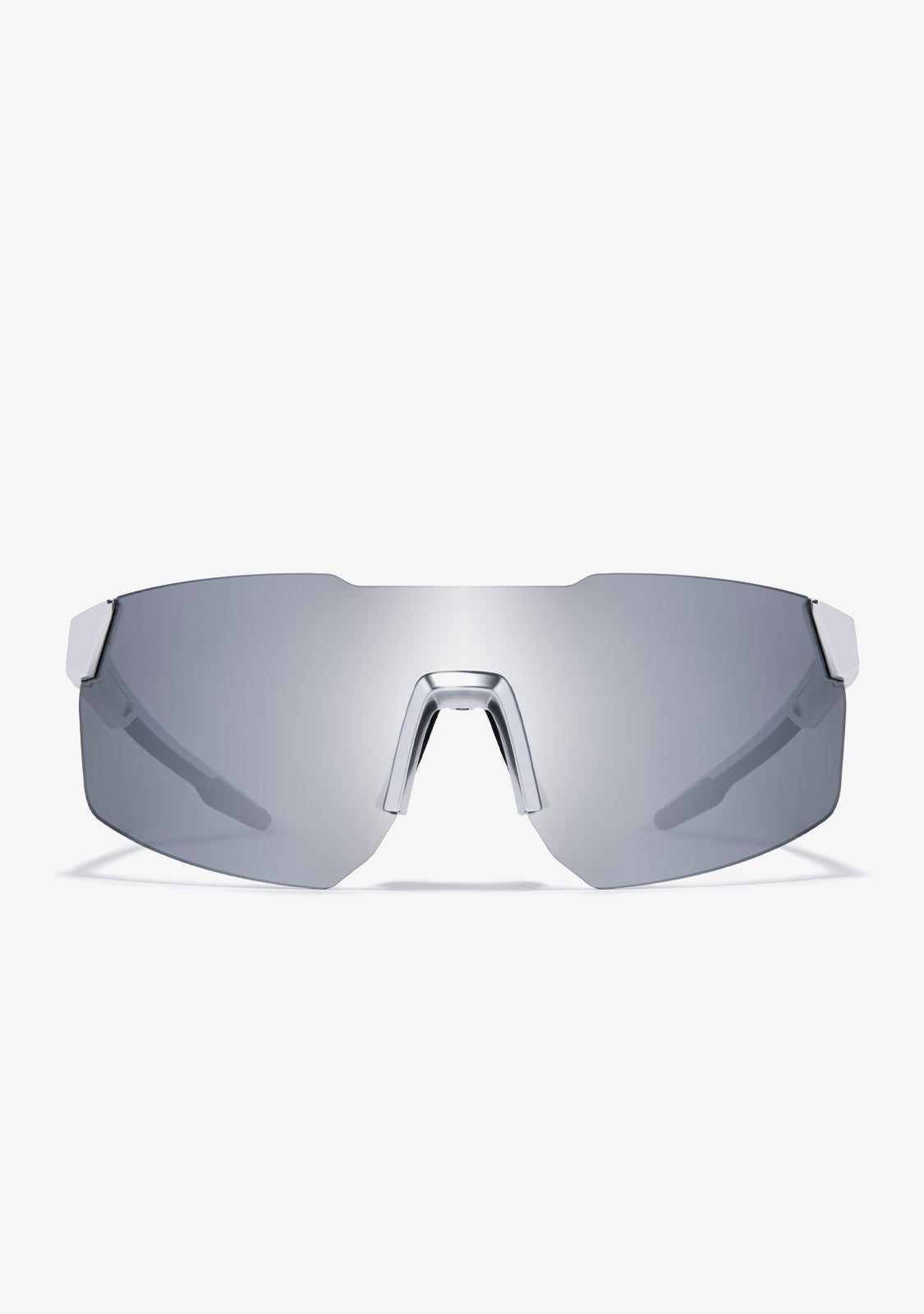
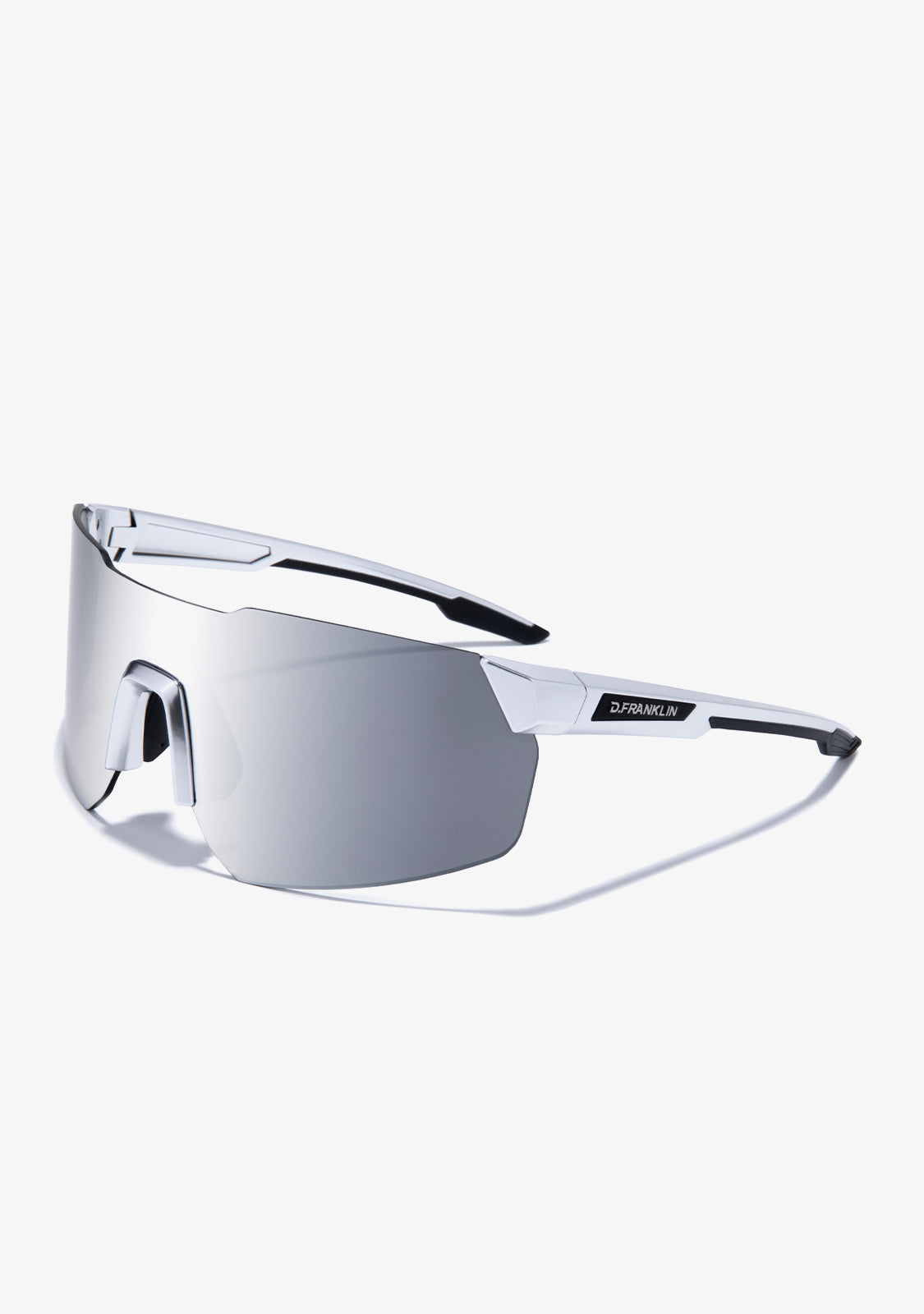
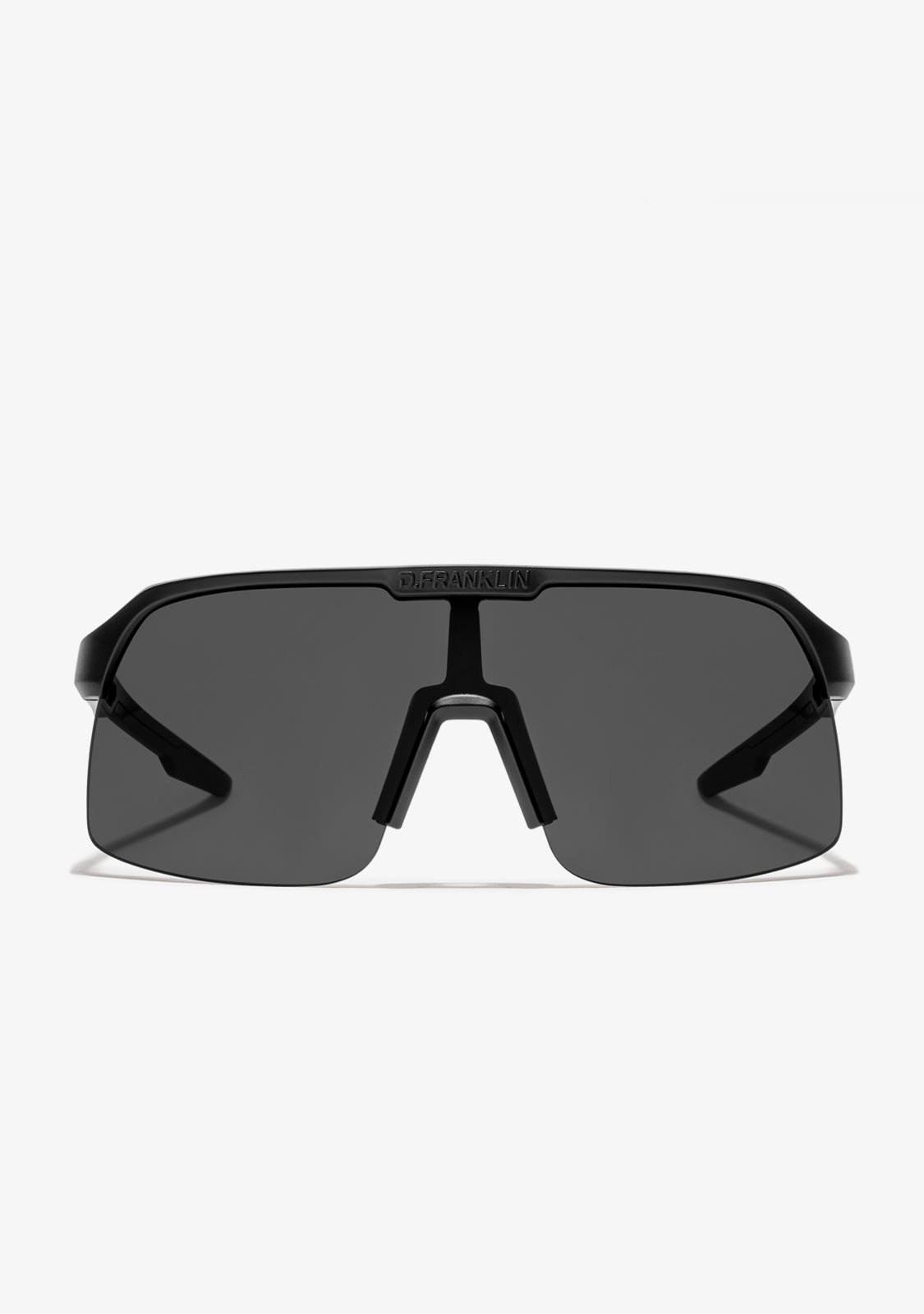
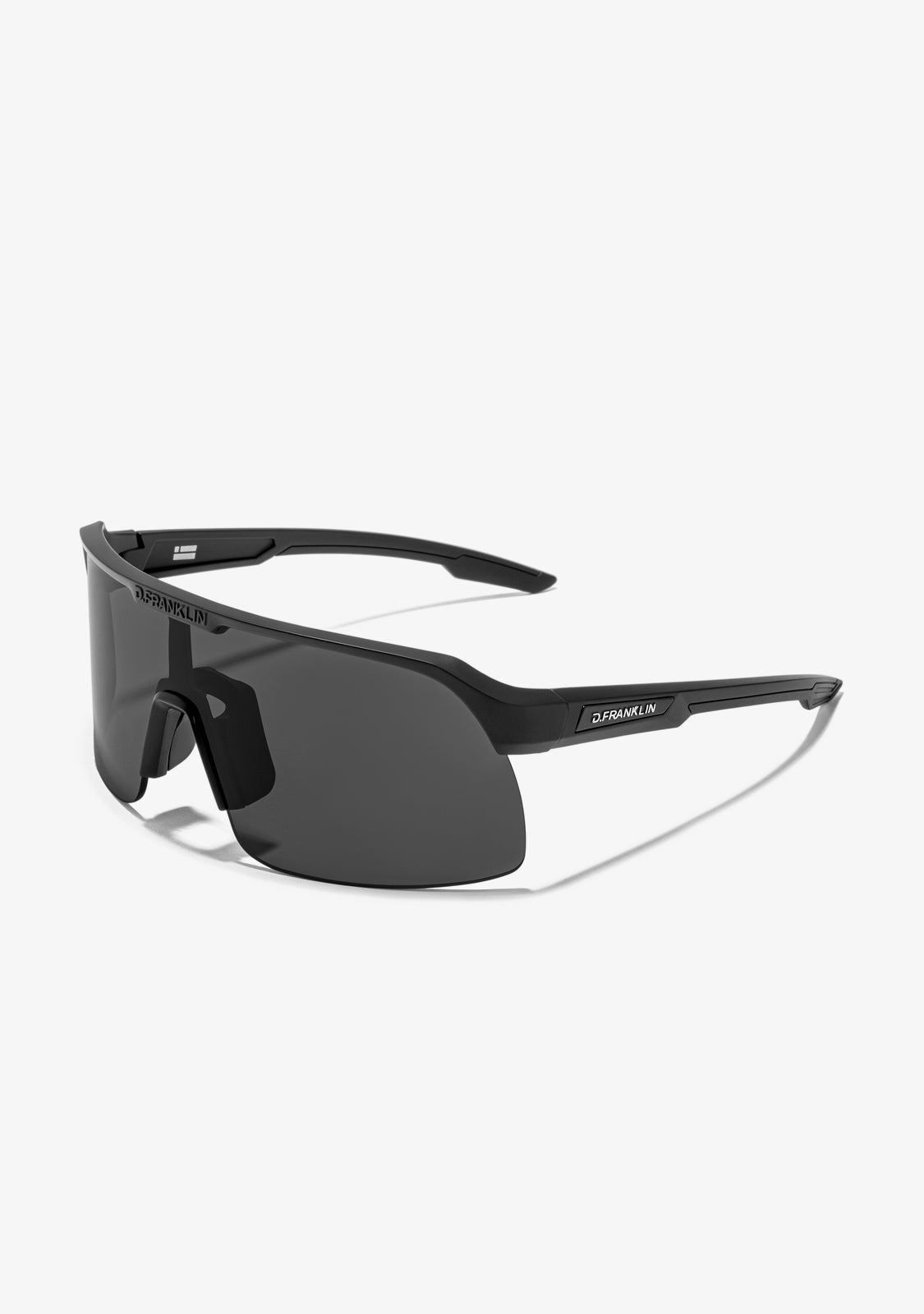
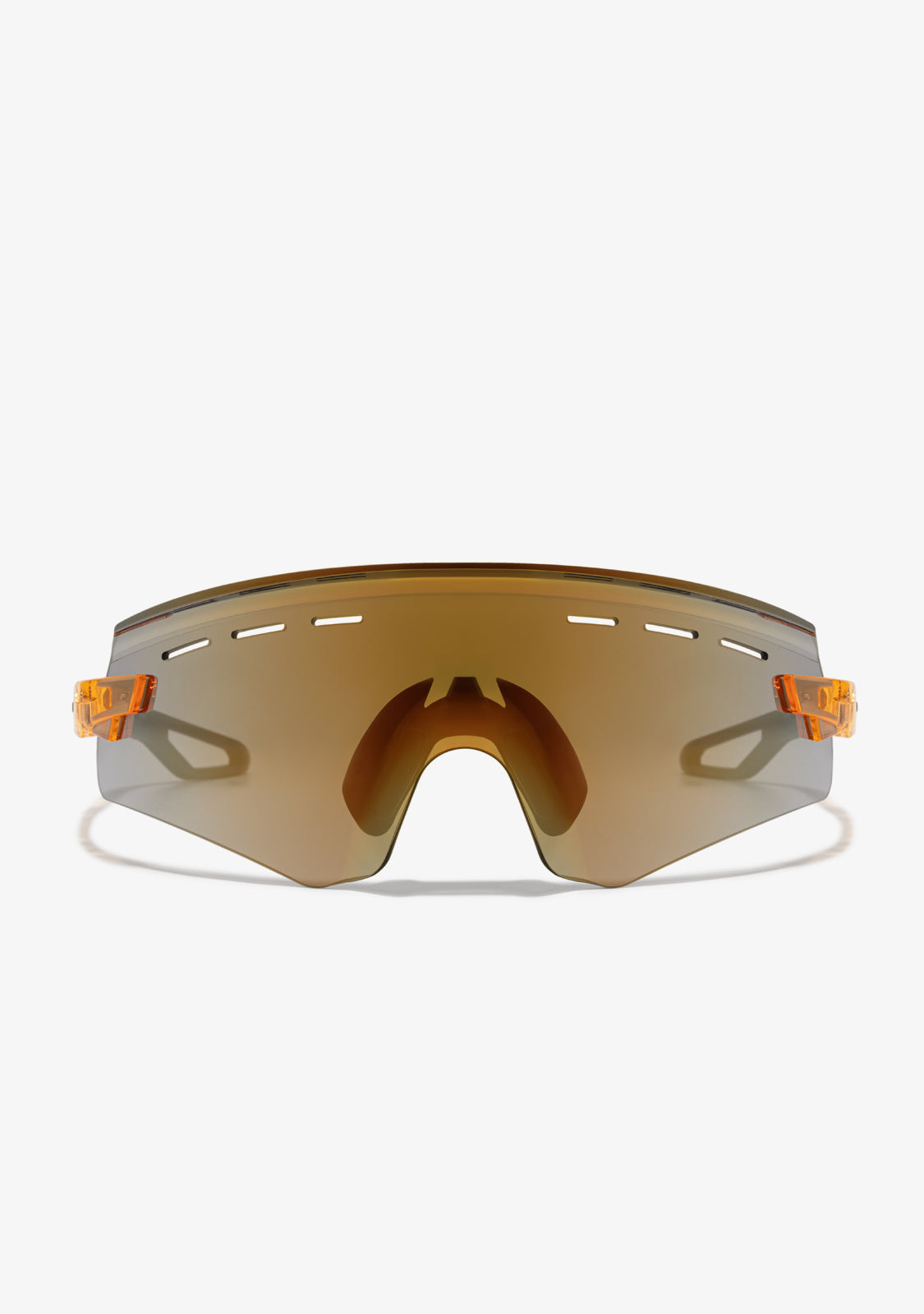
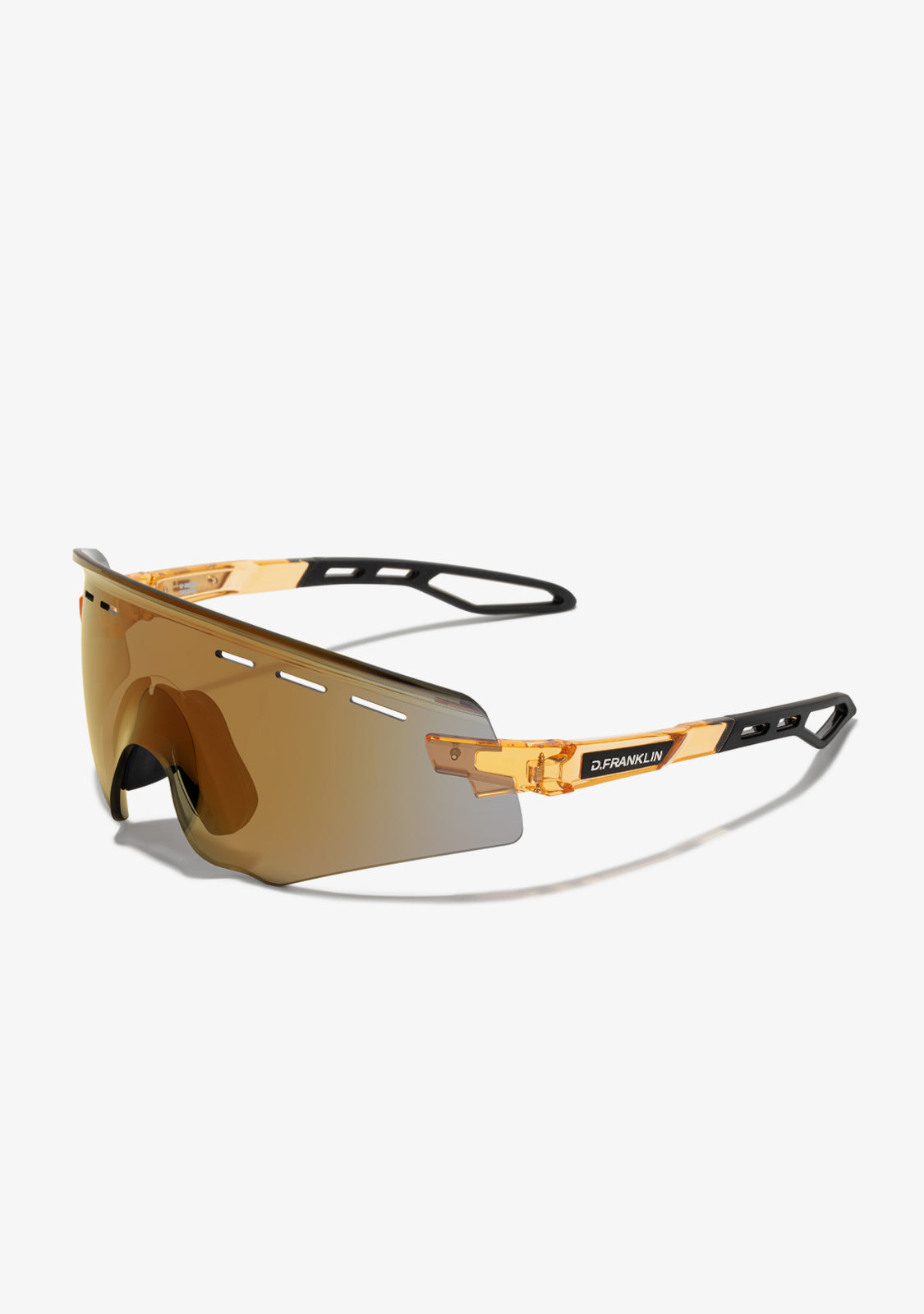
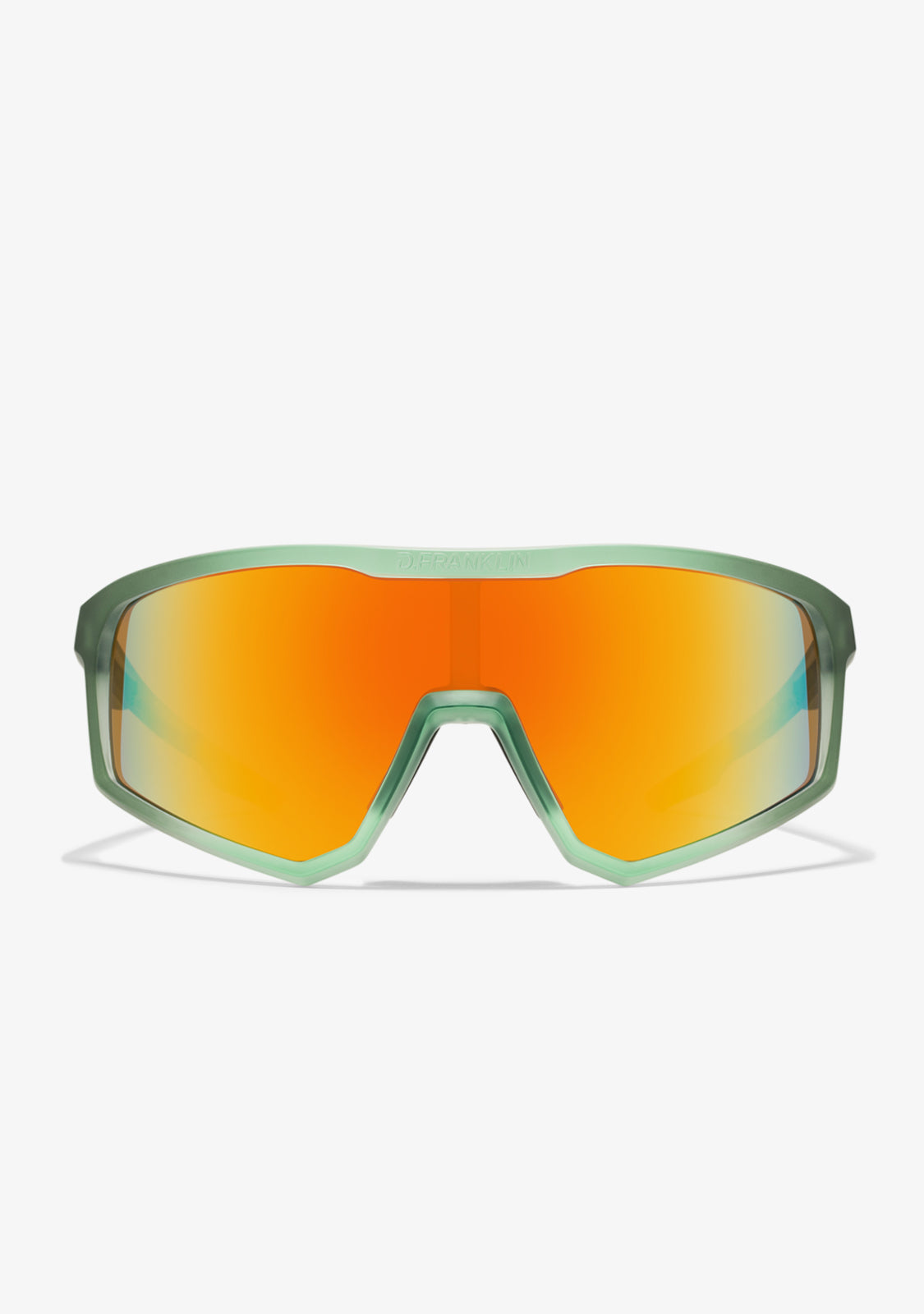
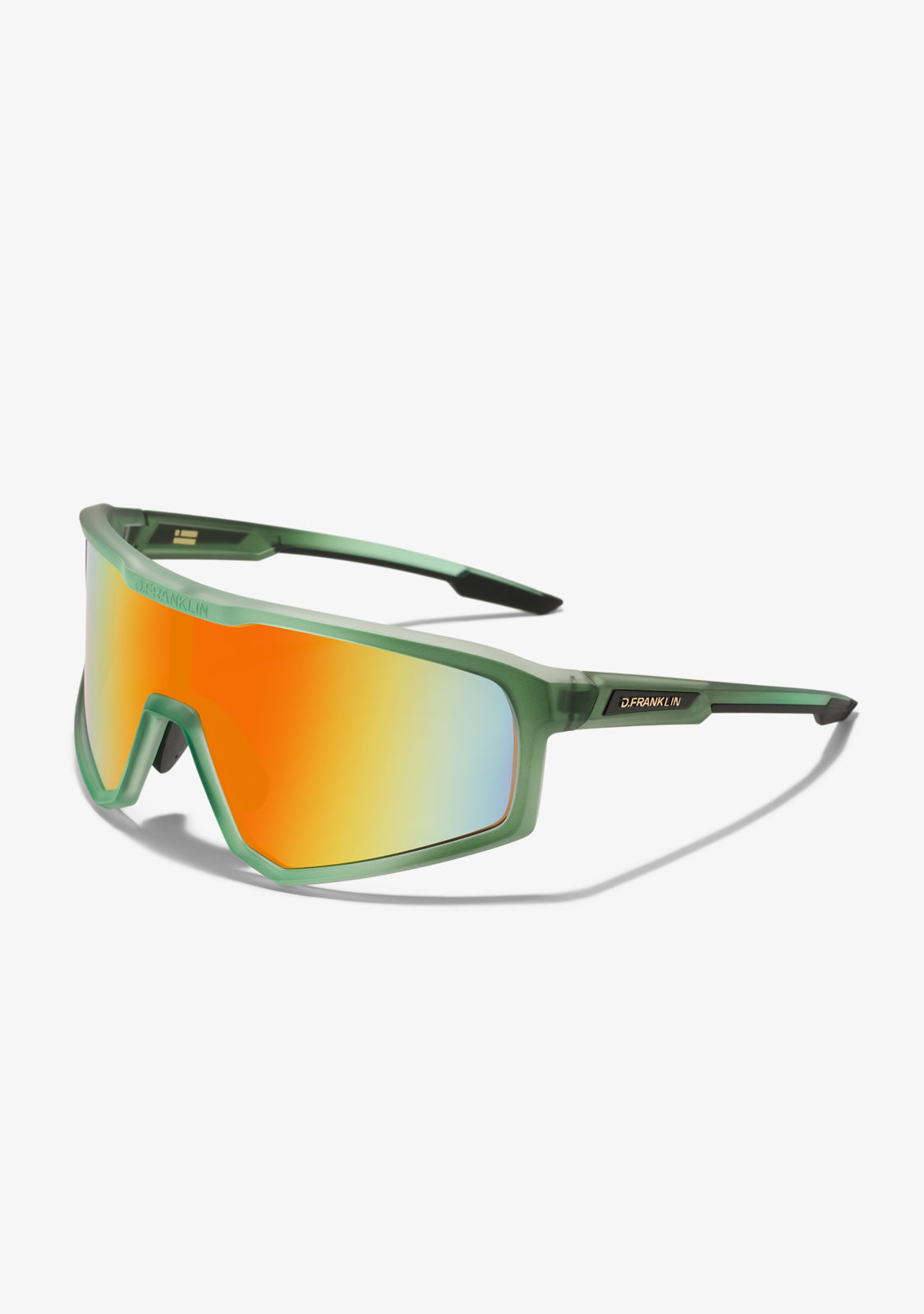
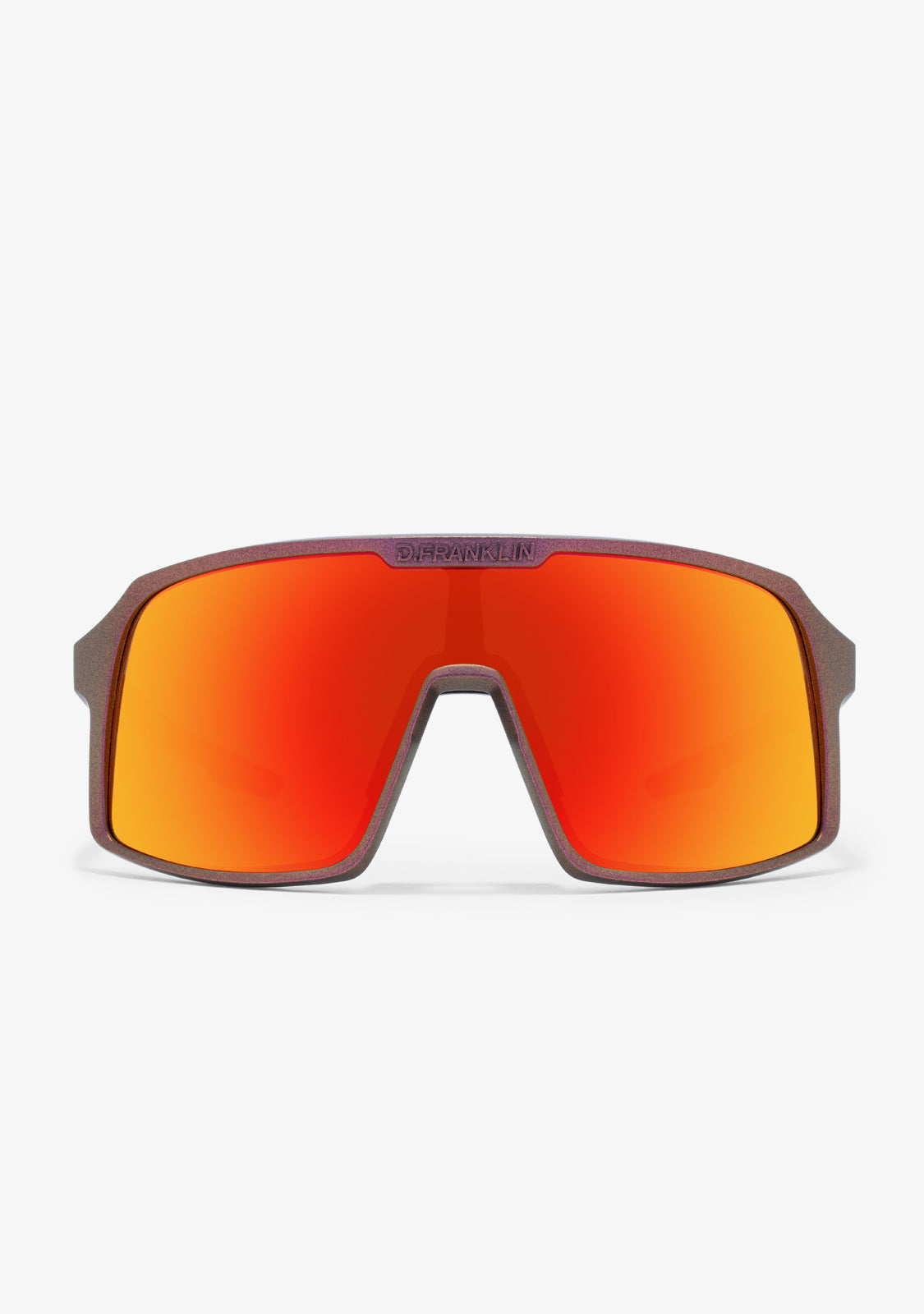
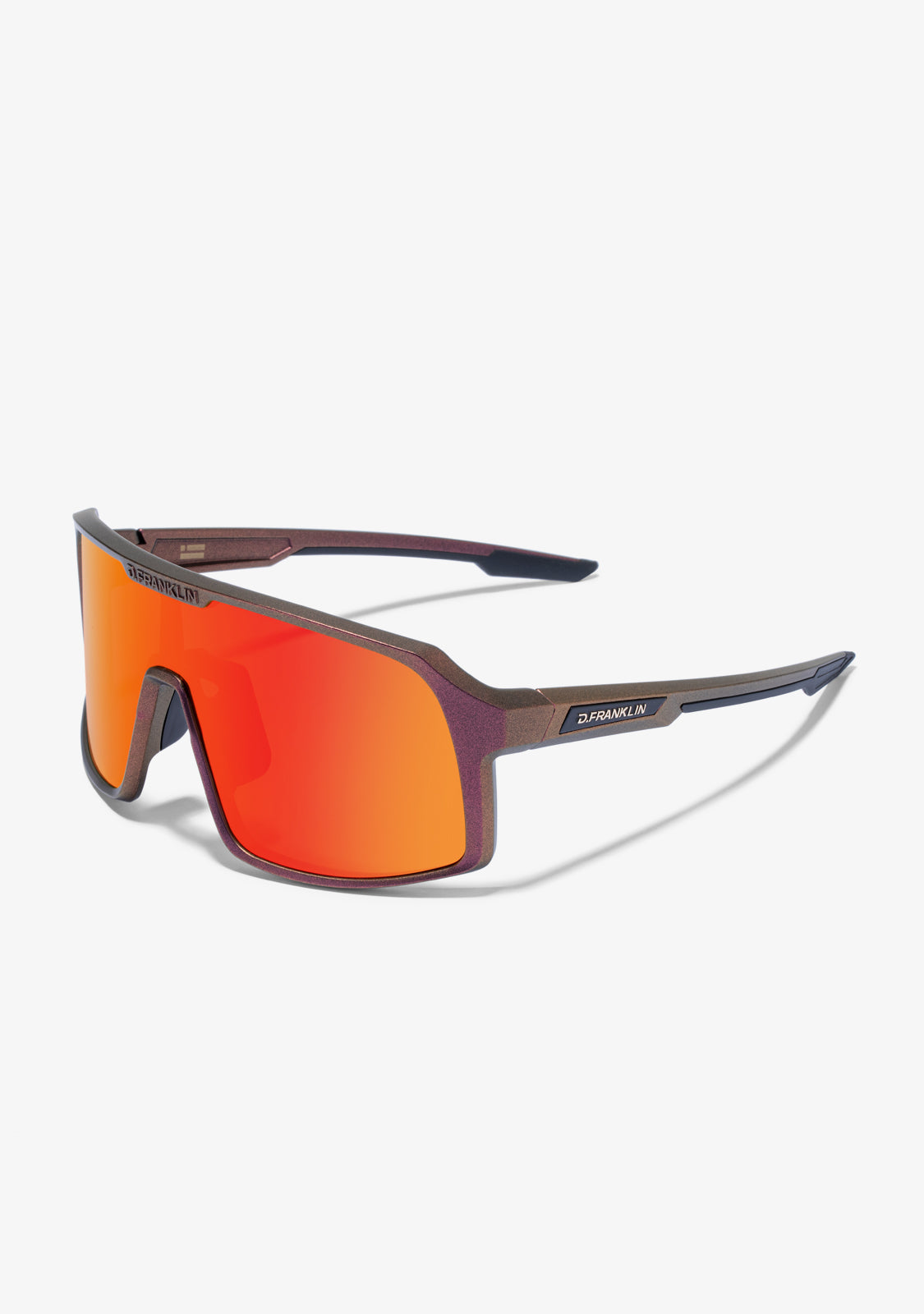
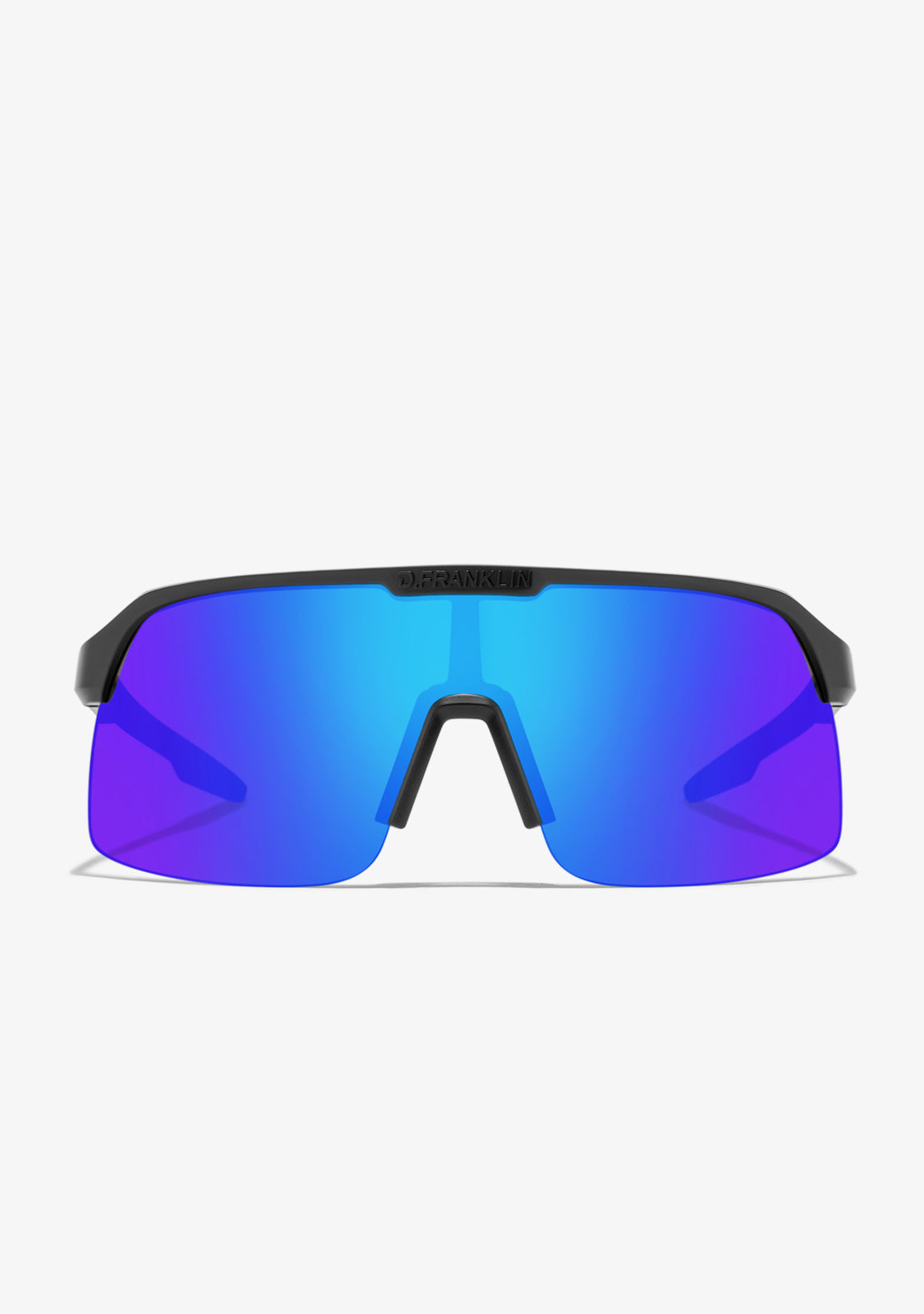
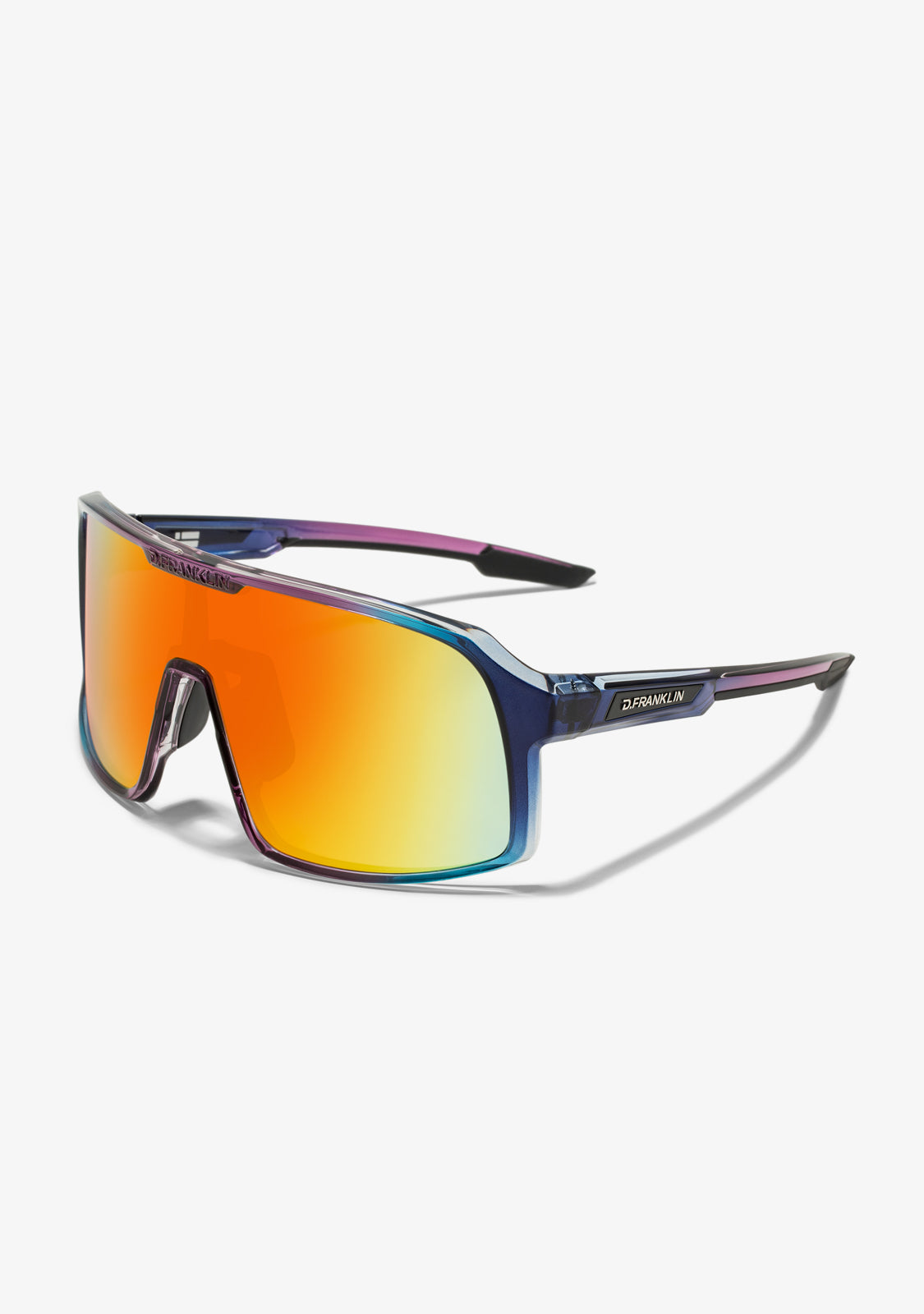
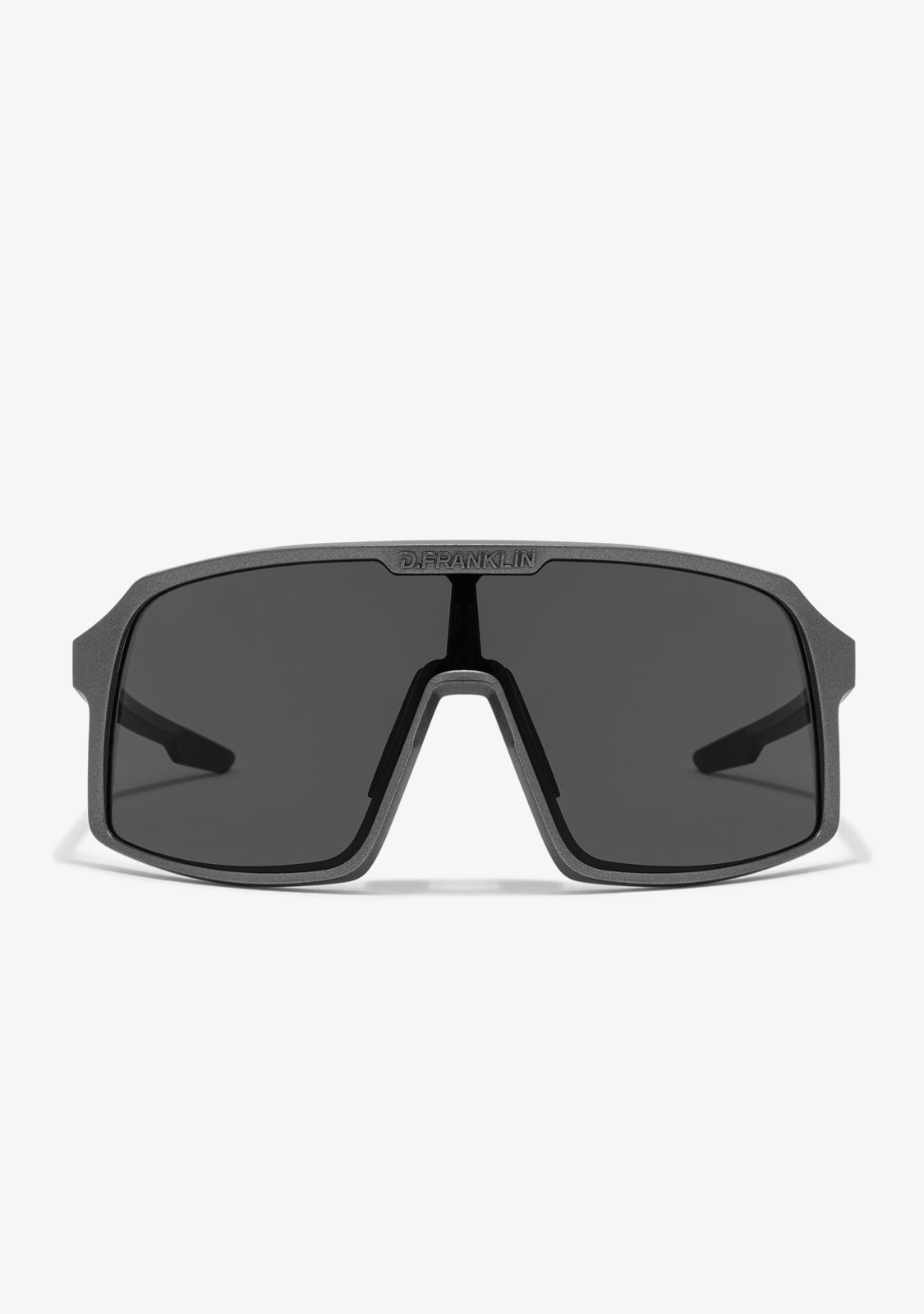
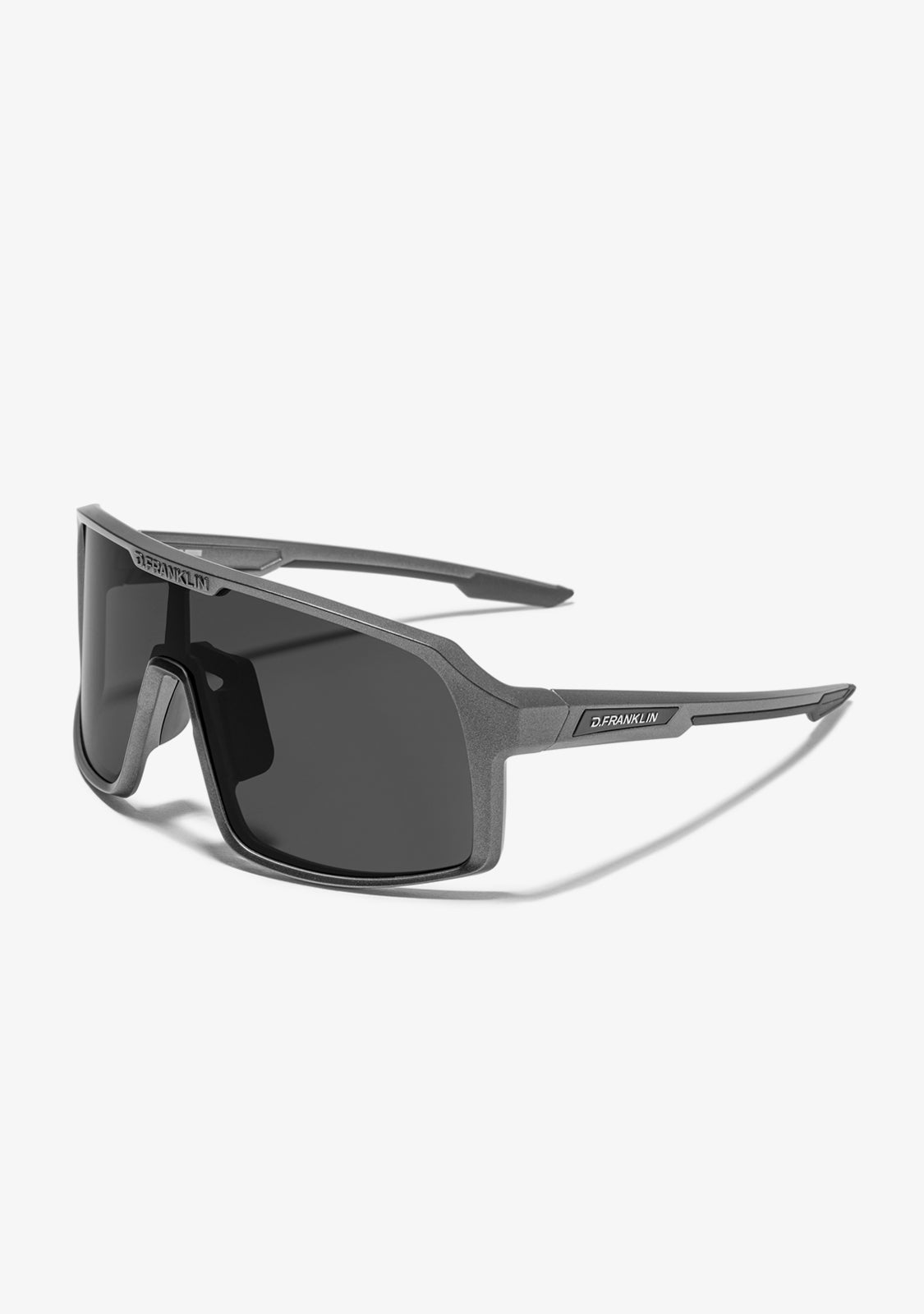
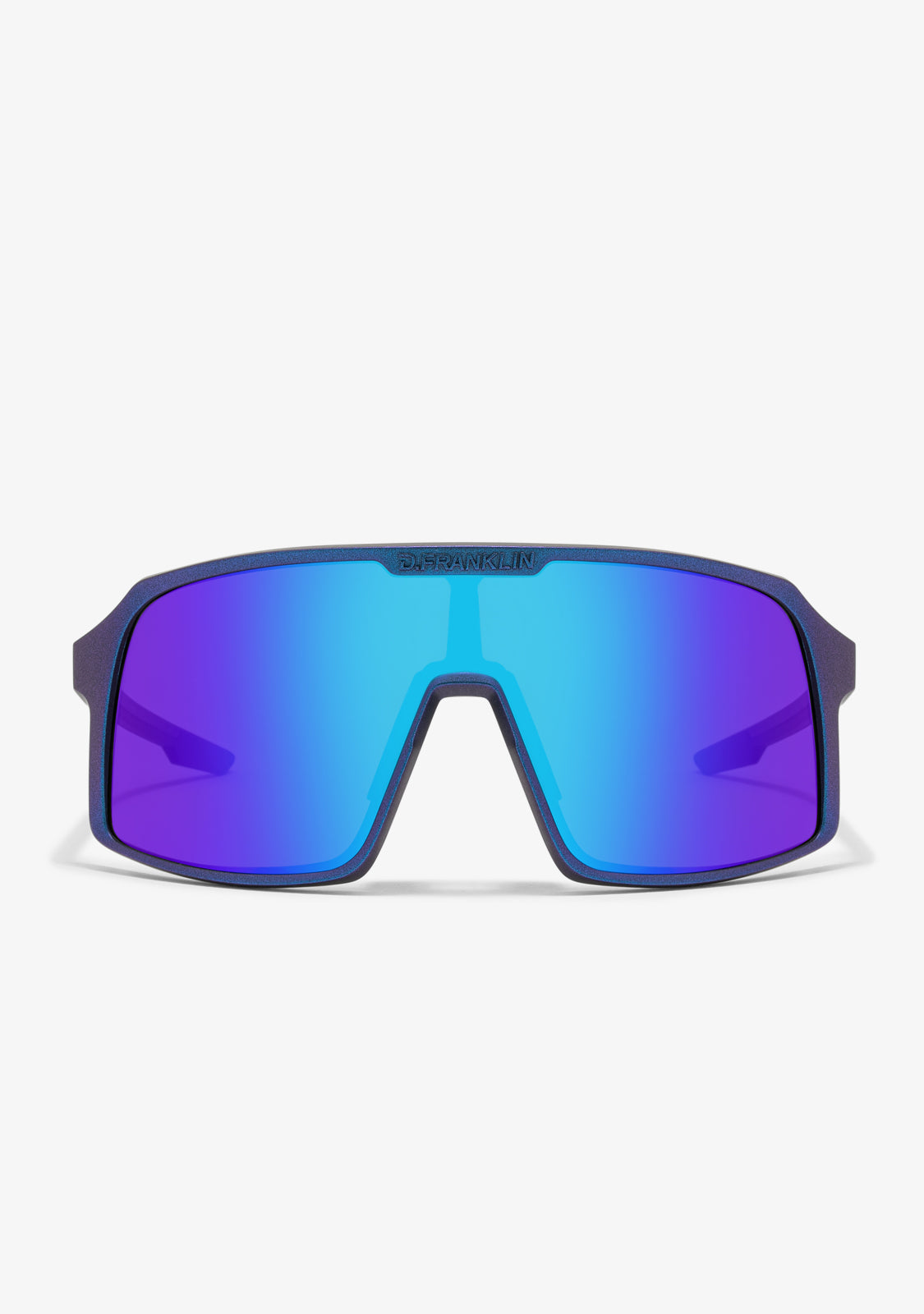
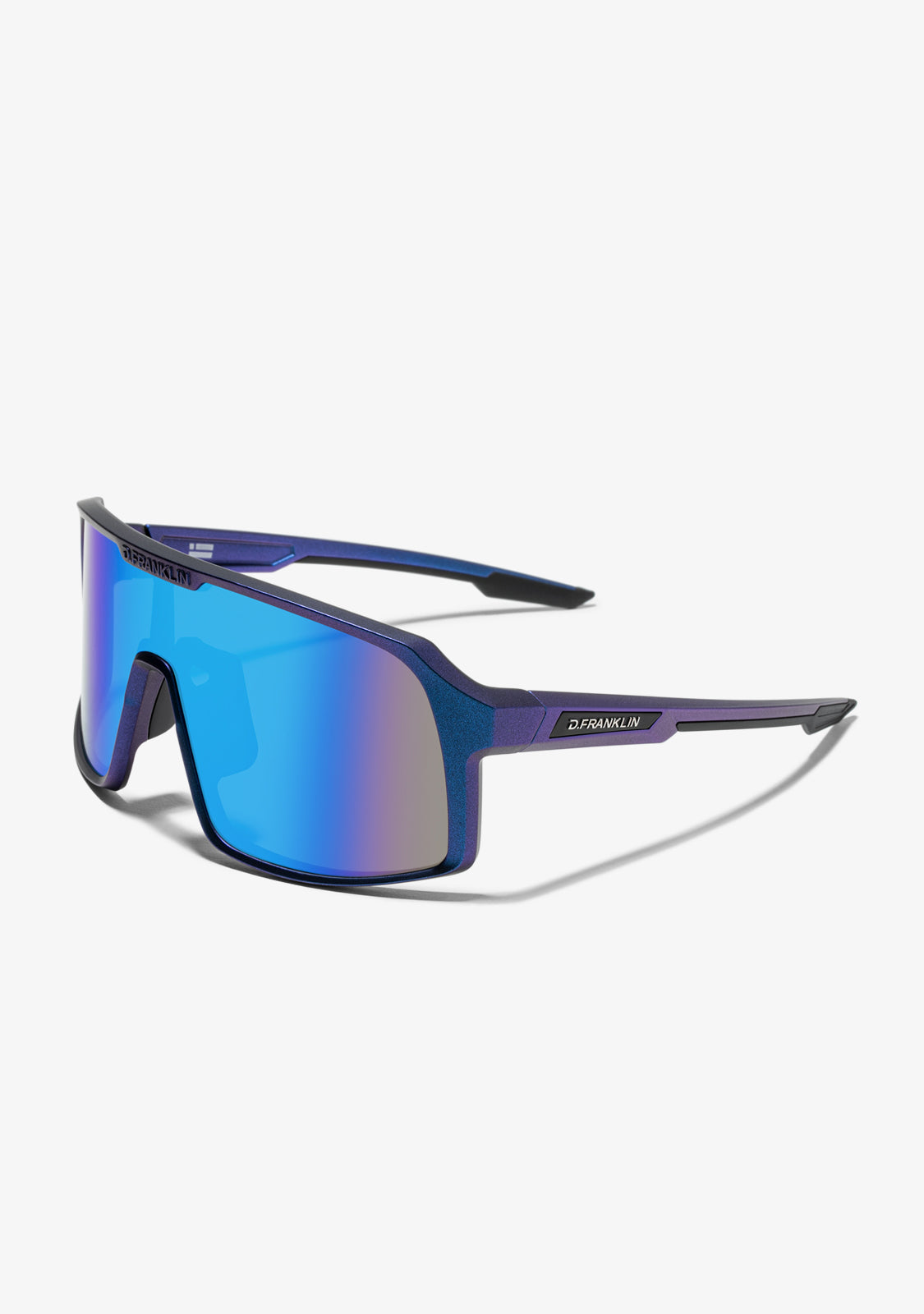
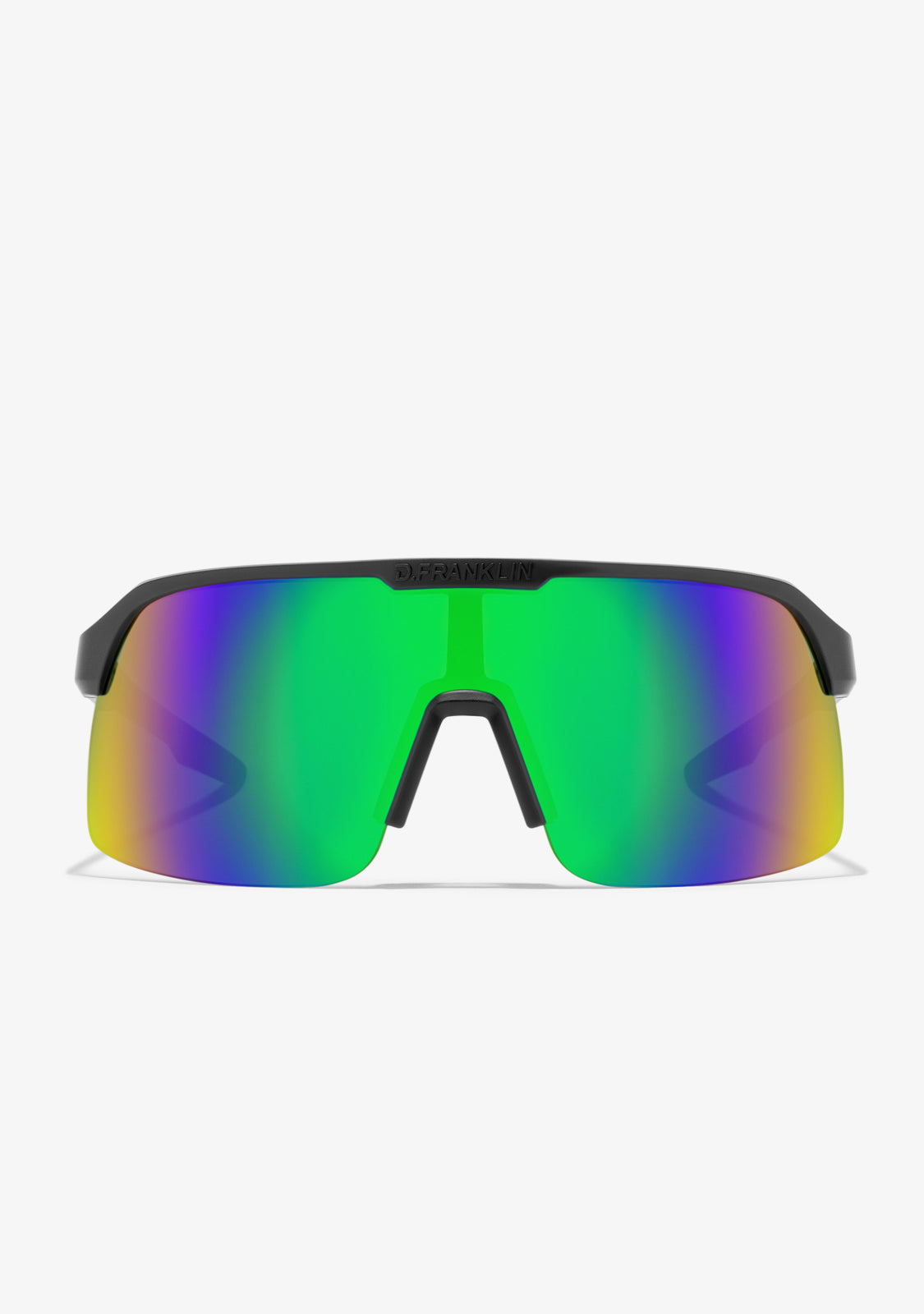
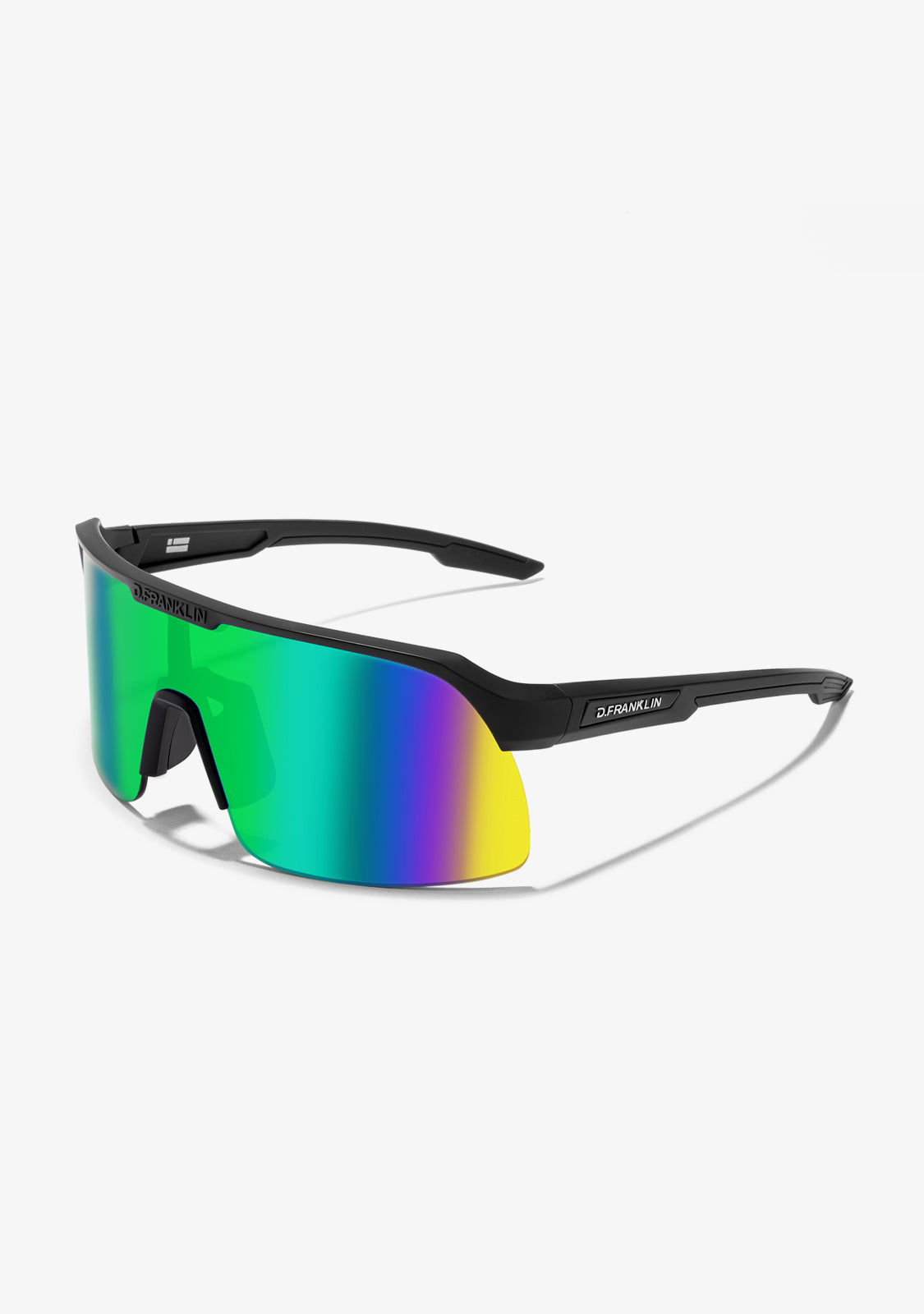
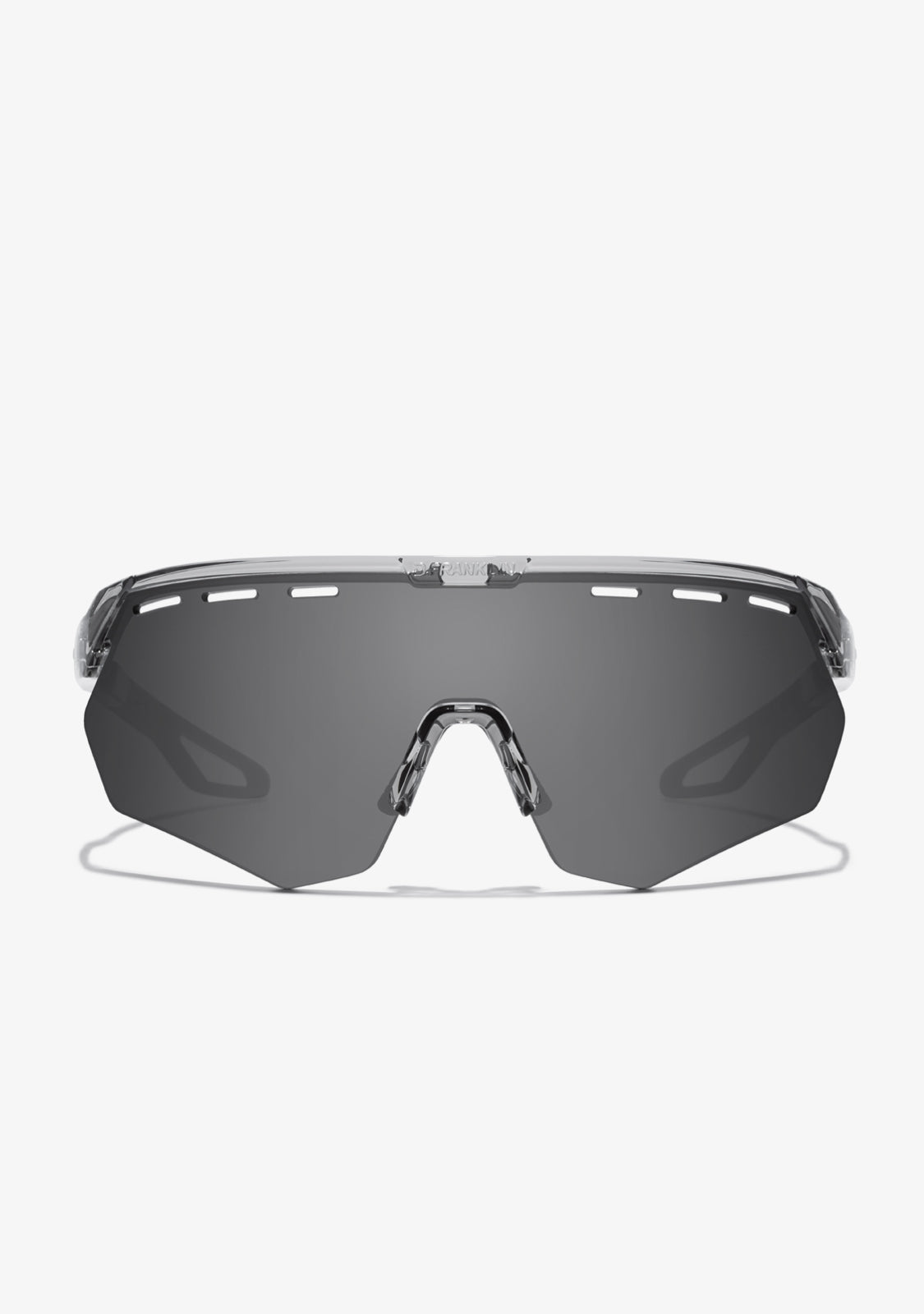
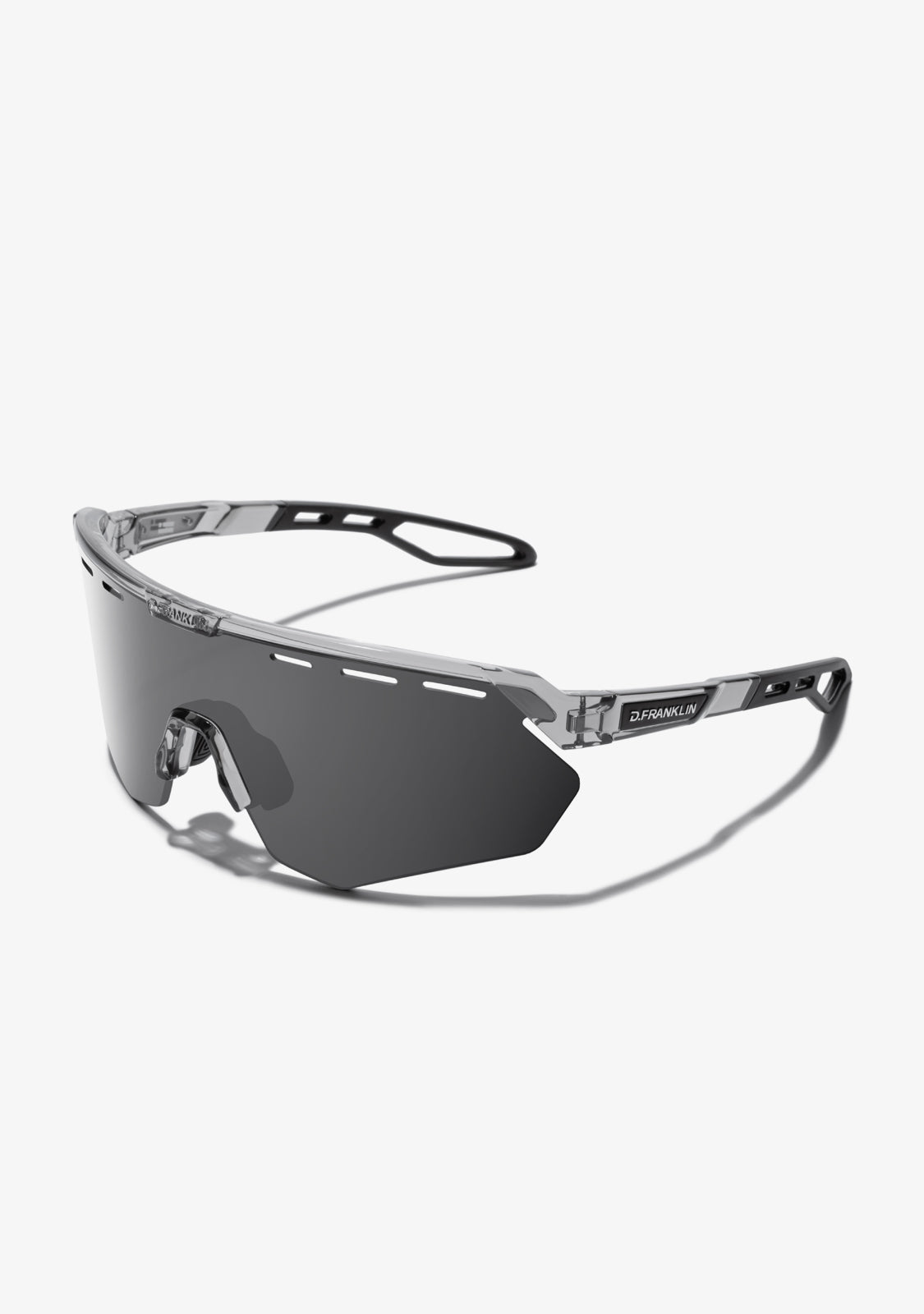
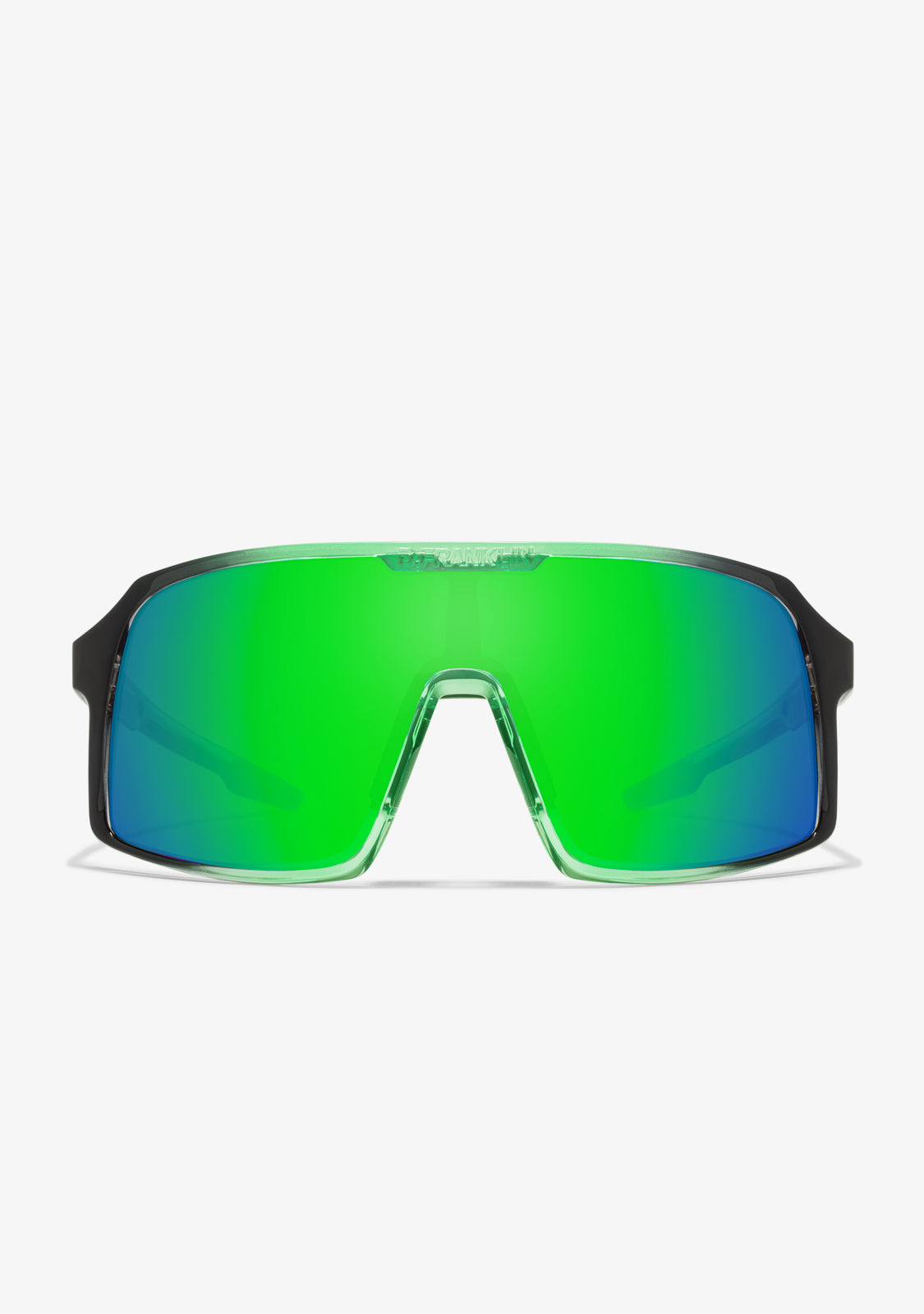
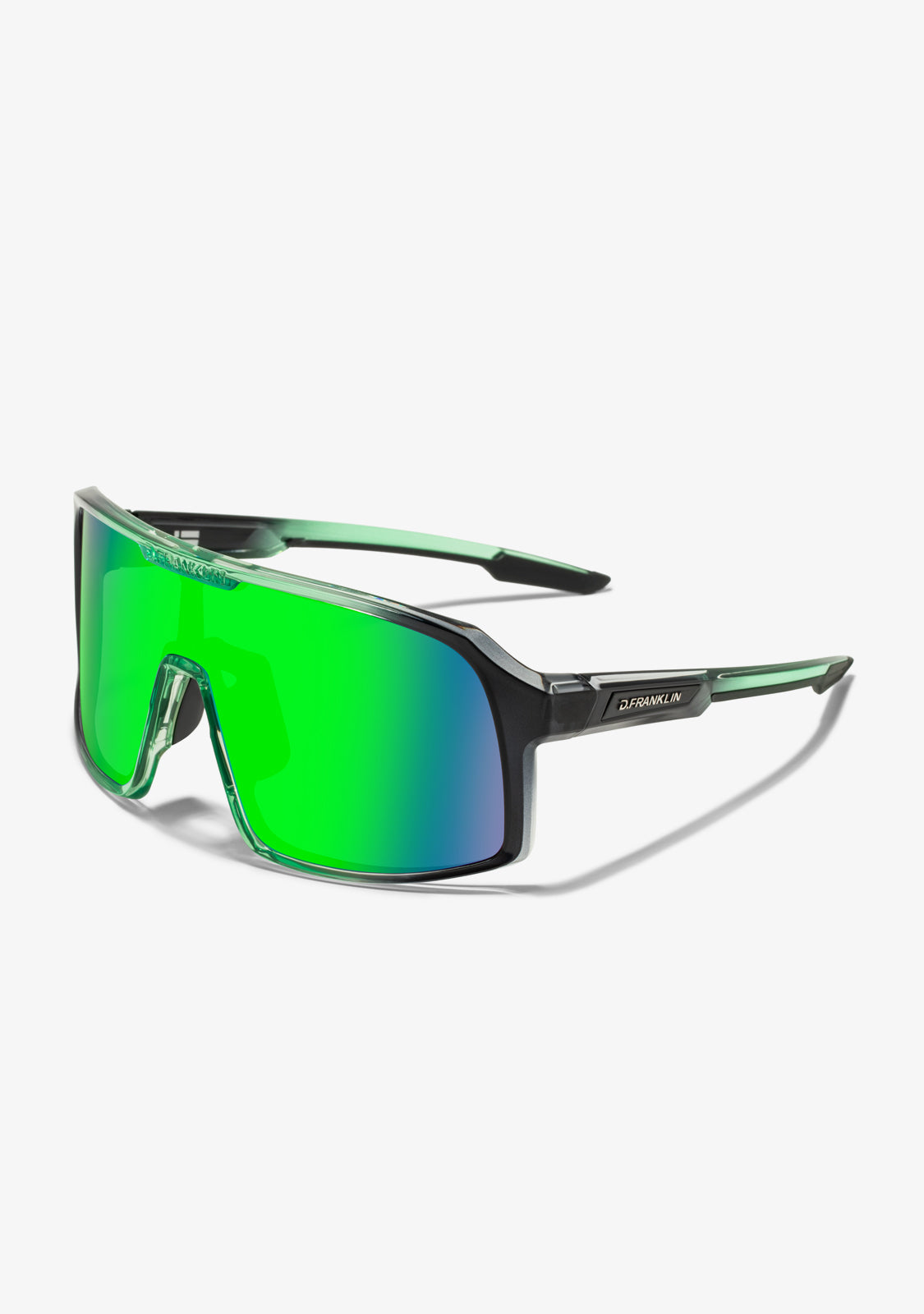
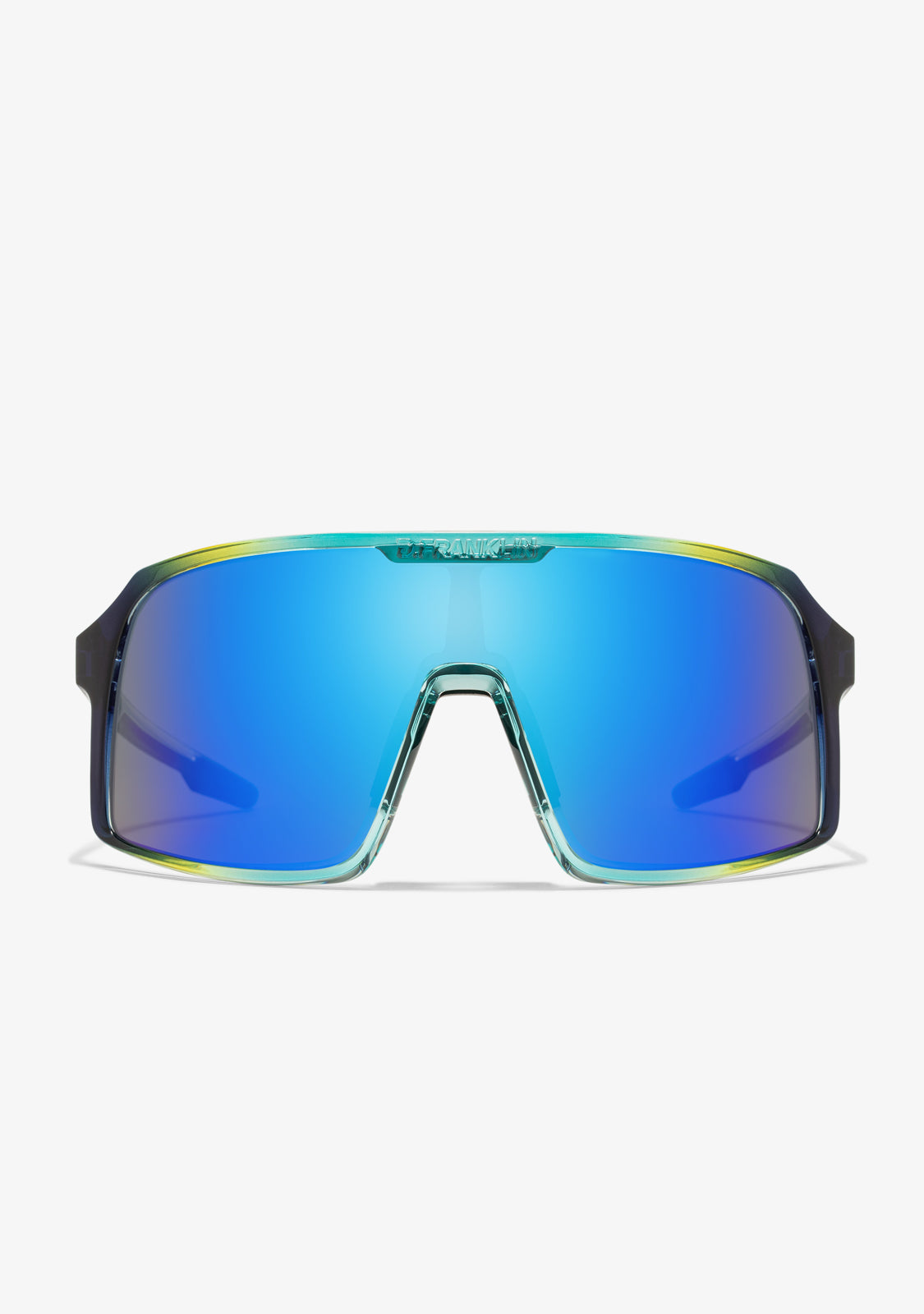
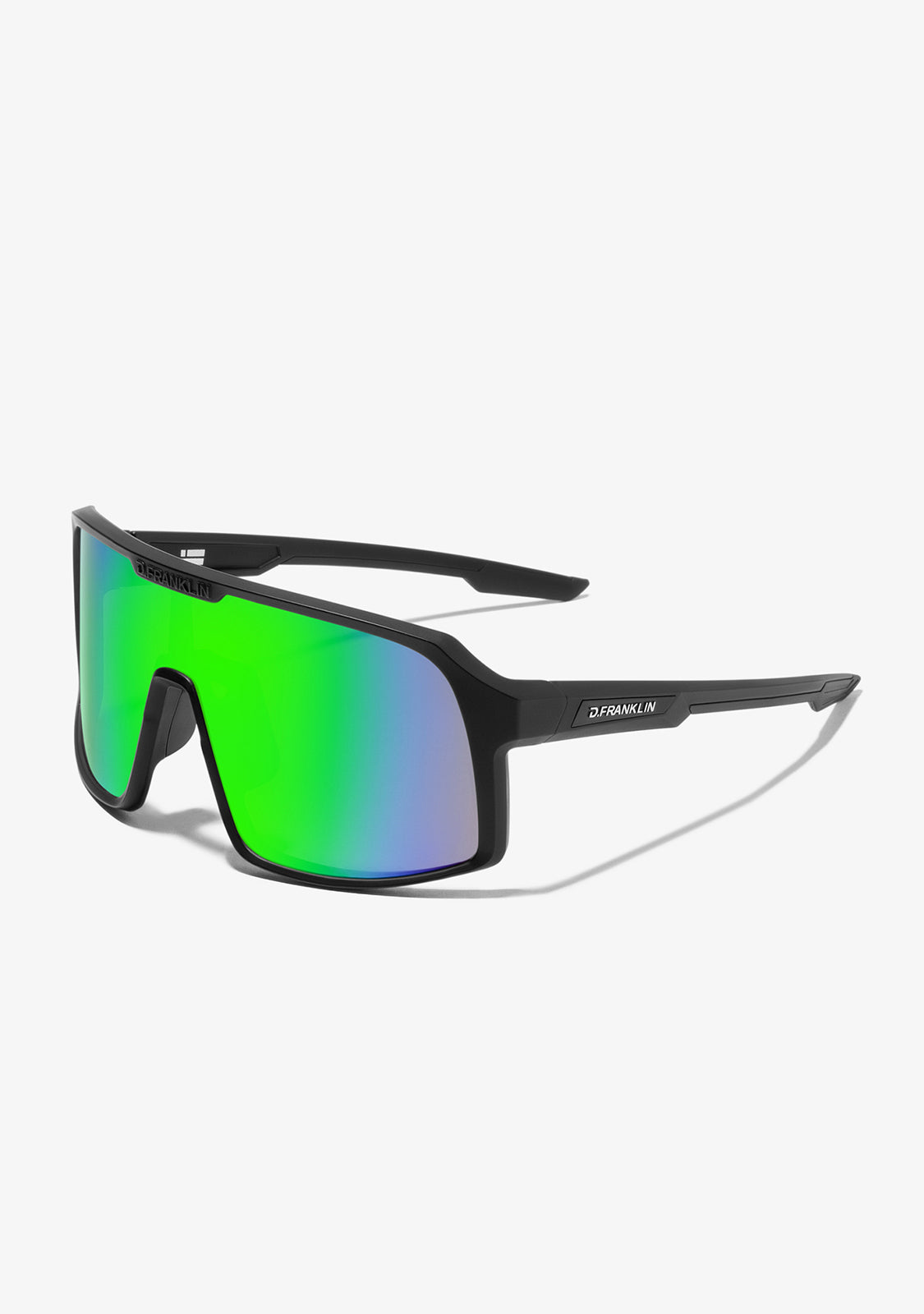
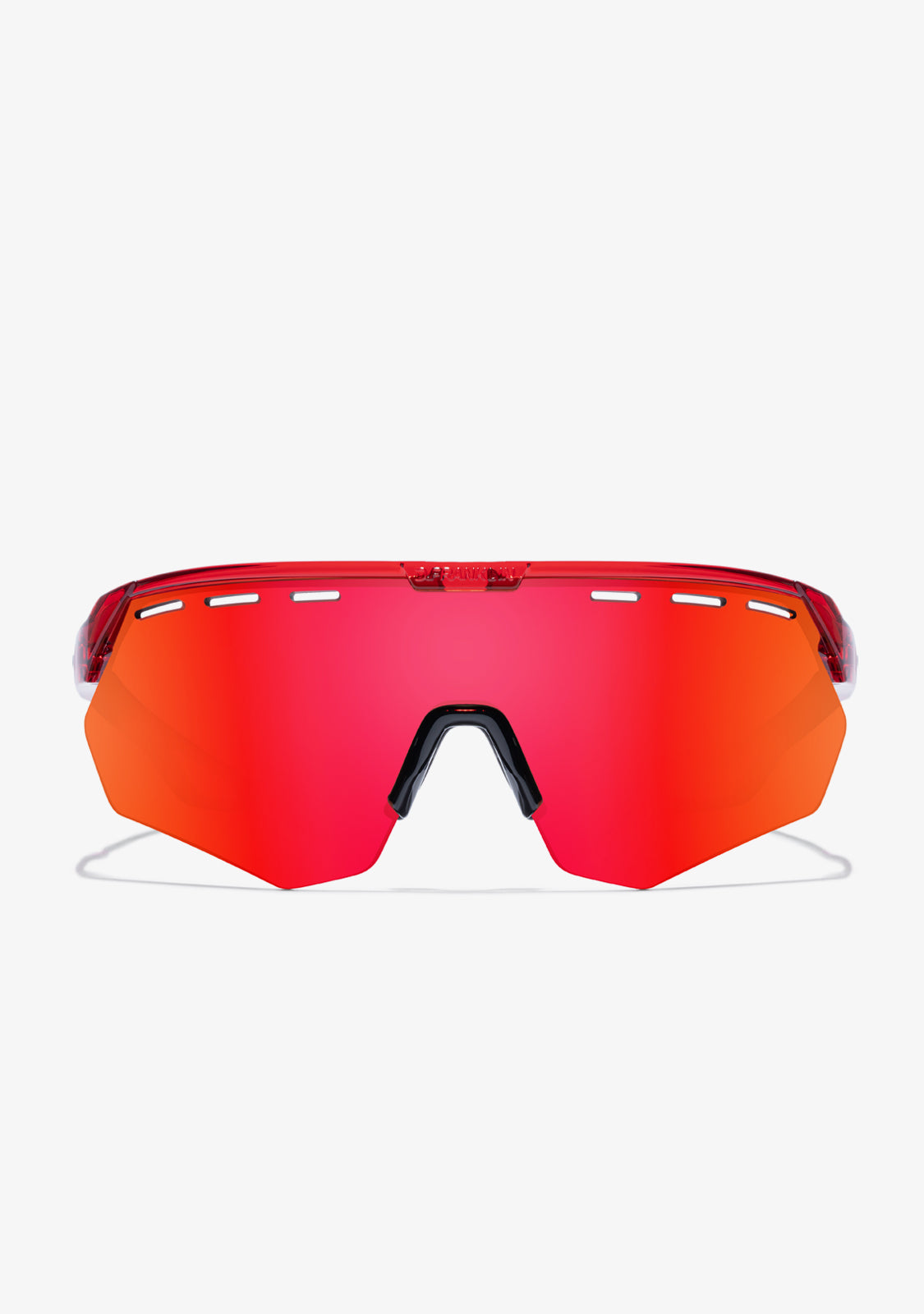
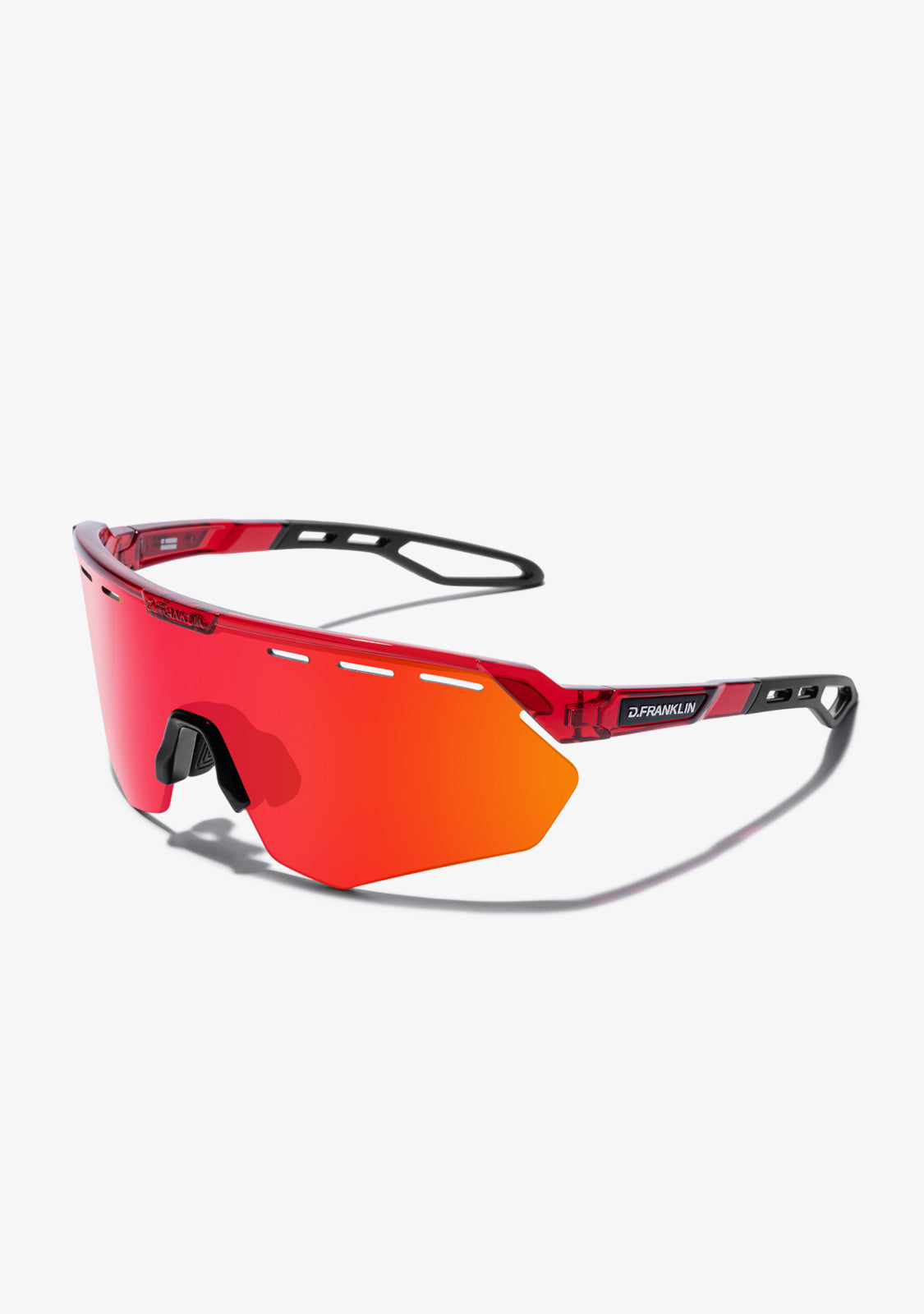
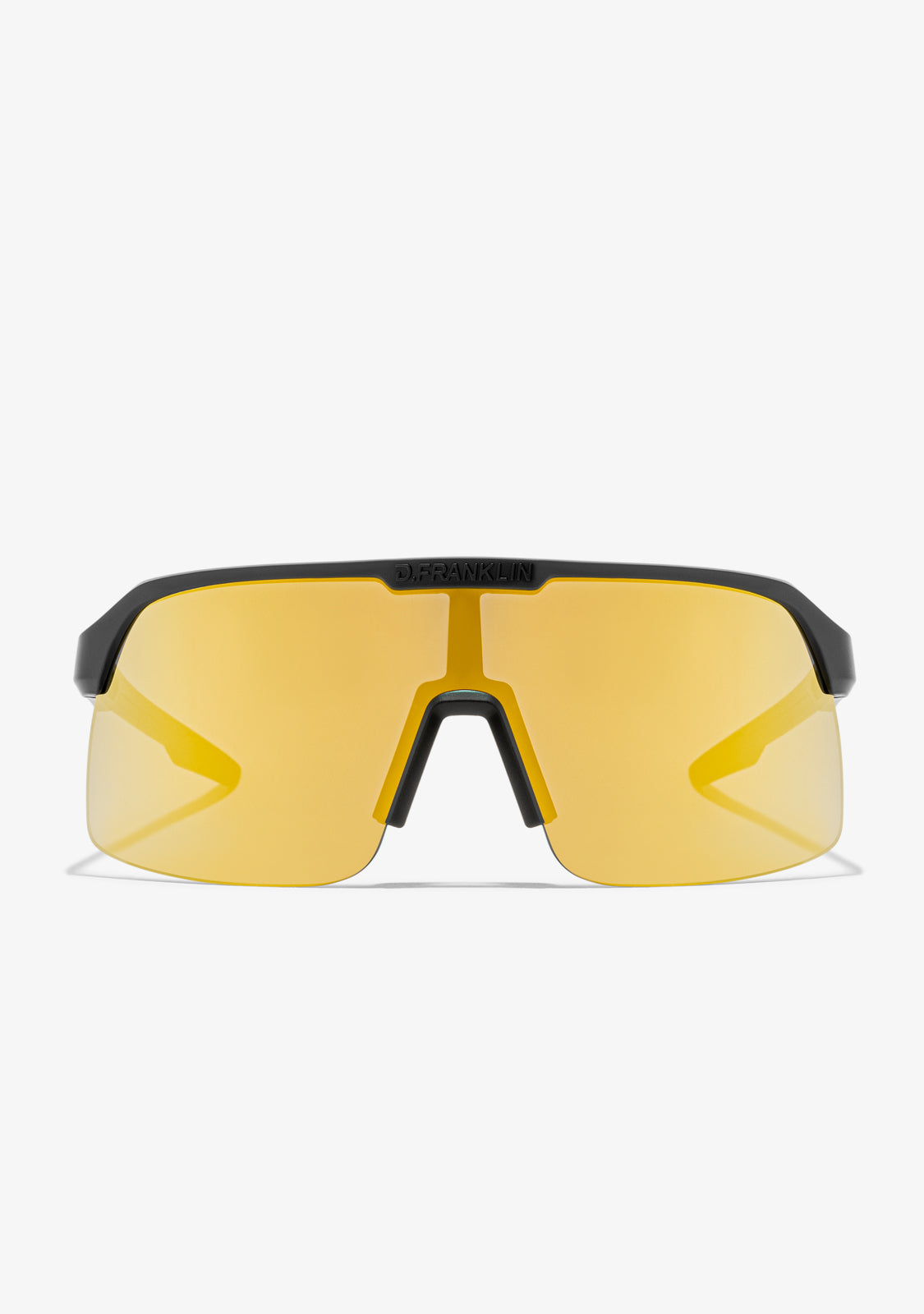
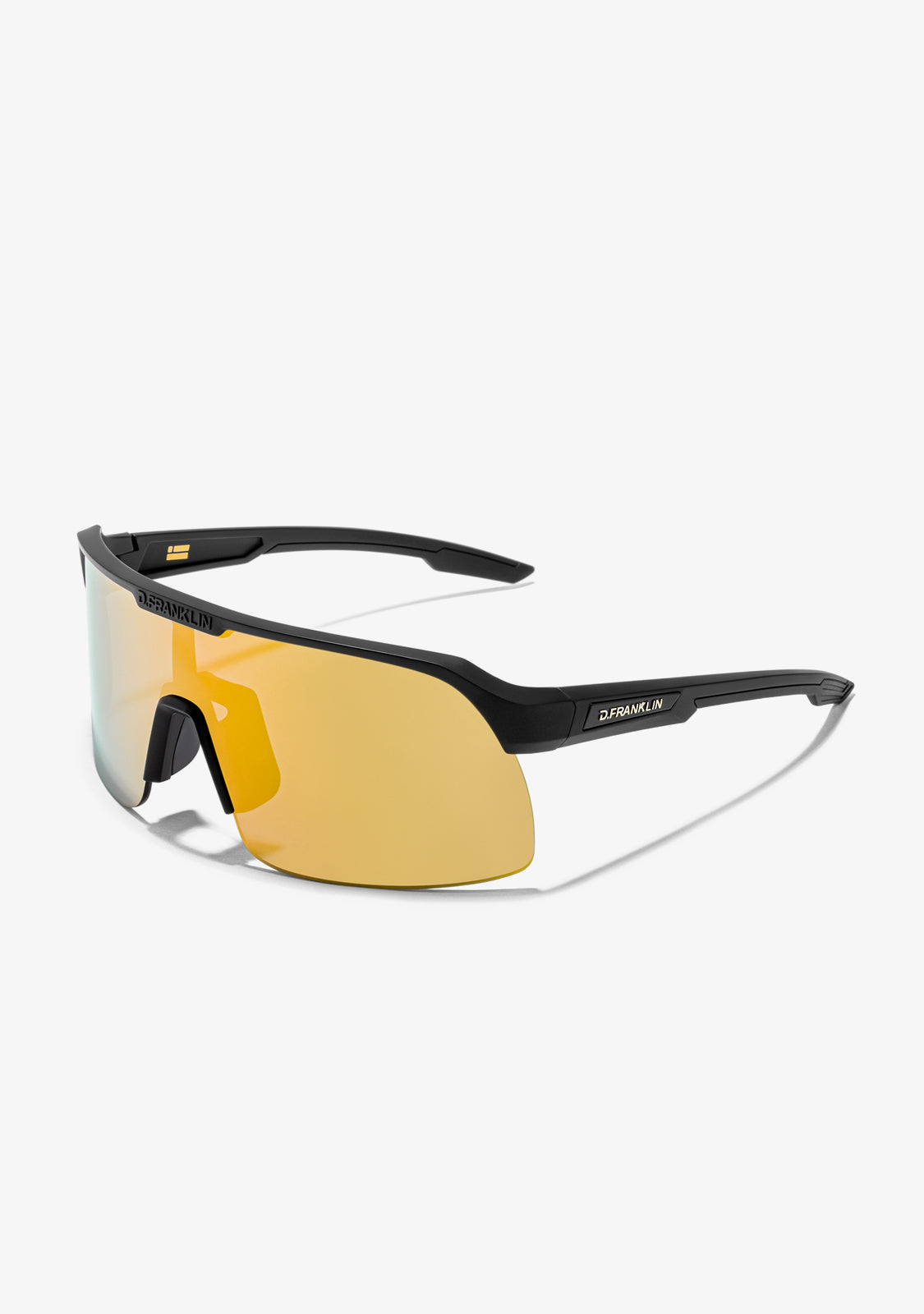
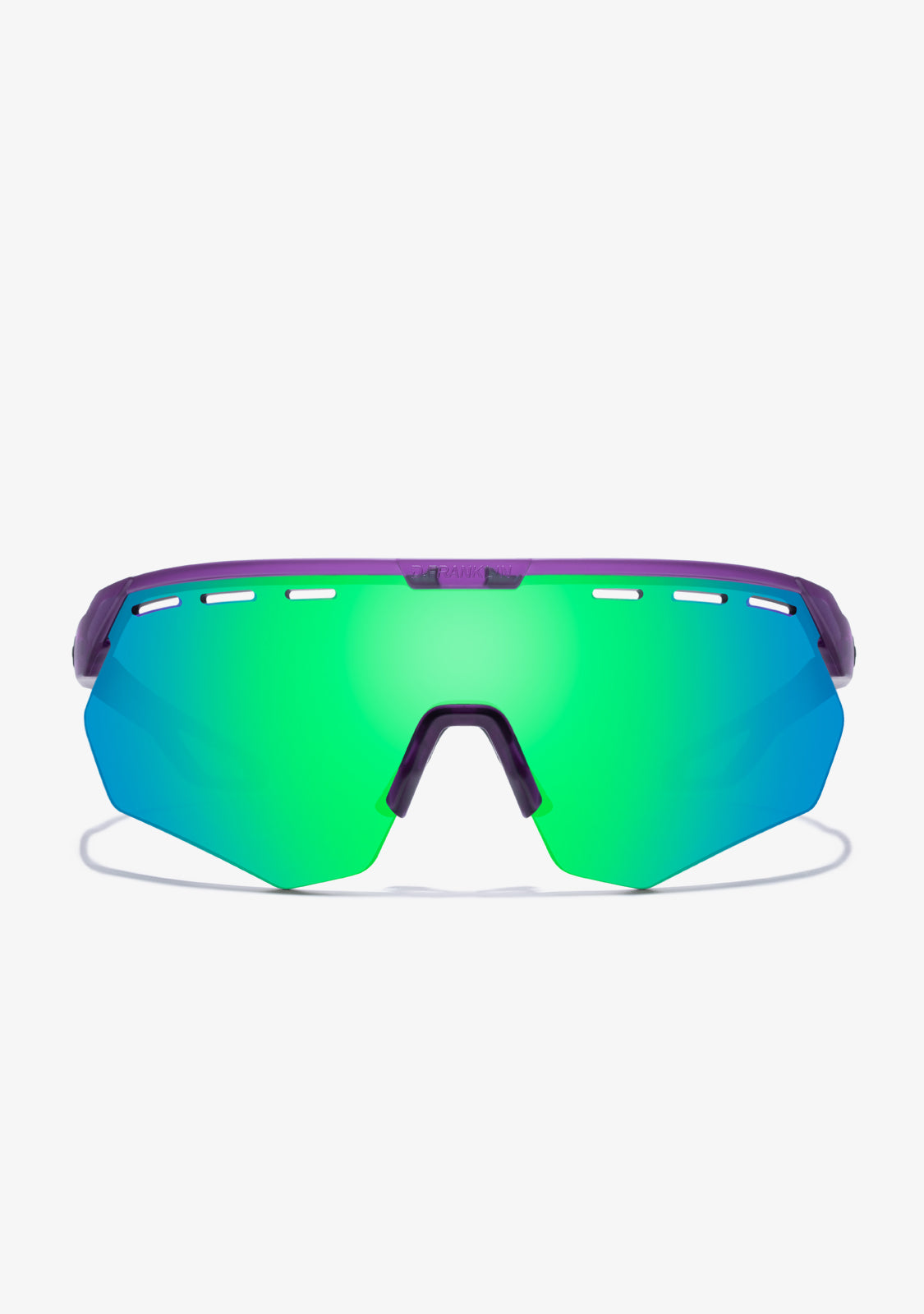
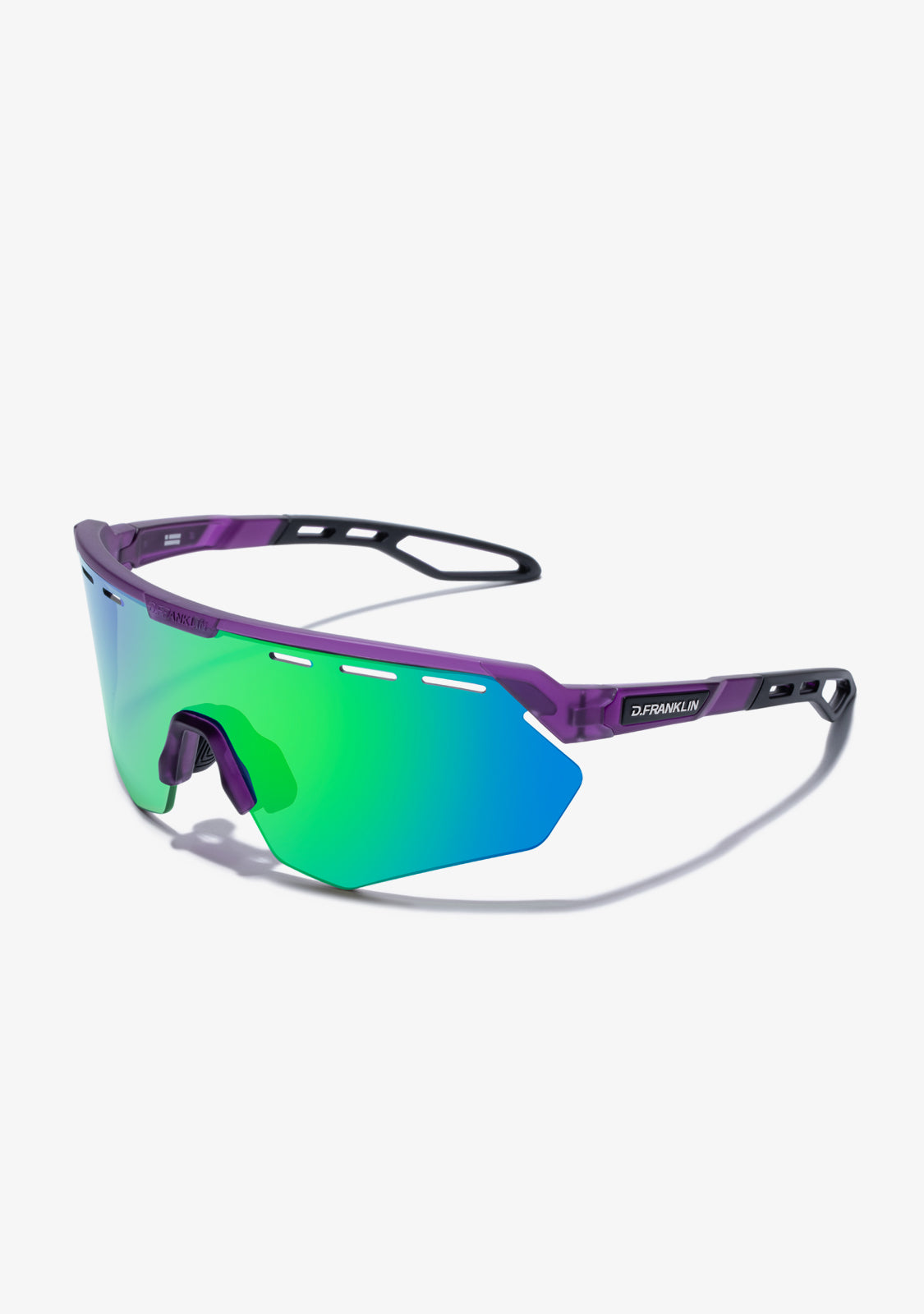
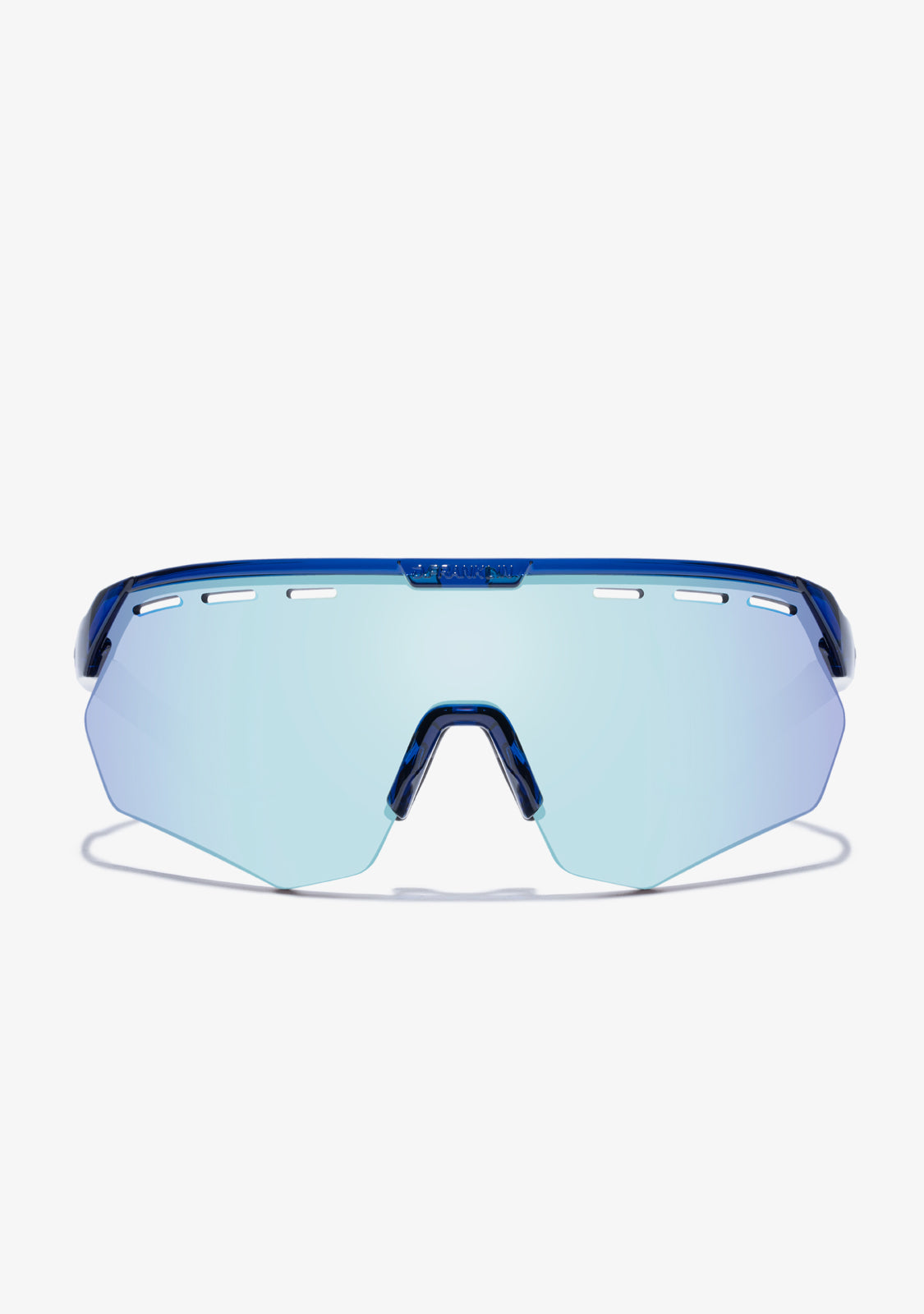
For outdoor sport, choose sunglasses by fit, coverage and the declared lens specifications. Compare the light on your route and check compatibility with your helmet or cap. A sports shape does not mean every lens is polarised or photochromic, and does not establish impact-protection certification.
Read moreRead less
Posture, Helmet and Contact Points
With your helmet adjusted, lean your torso and raise your gaze as you do on the bike. Check the upper rim stays out of your forward view. Then turn your head to see whether straps shift the temples; look for firm support without using pressure to compensate for unsuitable width.
Lenses and Cycling Alternatives
Compare the selected variant's UV protection and filter category. Photochromic sports sunglasses change tint within their specified range, while polarisation is a separate property. Explore men's sports sunglasses and women's cycling sunglasses to compare measurements and frame geometry.
Care After Your Ride
Remove dust and particles before wiping with clean microfibre. Follow finish-specific instructions to remove sweat; do not rub lenses dry with your jersey. Store glasses protected and avoid leaving them exposed to intense heat.
Four Checks Before Choosing
Front width and room at the bridge
Temple contact with helmet and straps
Stated filter category and UV protection
Forward coverage in your riding position
Compare related collections
Sports Sunglasses · Photochromic Sports Sunglasses · Polarised Sports Sunglasses
Frequently asked questions
What changes when I try them leaning over the bike?
Leaning your torso makes you look through a different part of the lens. Check the rim does not obstruct your forward view and that the glasses stay in place as you raise your gaze.
Should I choose wider frames because they are for men?
No. Suitable width depends on your measurements and contact points. Compare with glasses that already fit; the men's category does not establish a single size.
Can I choose only by mirror colour?
No. Mirror describes a finish, not the lens's complete response. Check category, UV protection and treatments for the conditions on your route.
Can I wear the temples outside helmet straps?
Check equipment instructions and try the combination without interference or pressure. No single arrangement solves fit for all helmets and frames.
What if the temples press after a ride?
Check whether your helmet or straps push them and whether the width suits your face. Persistent pressure calls for comparing another geometry rather than accepting an overly tight fit.
Are all mirrored lenses polarised?
No. A mirrored finish and polarisation are independent properties. If you want polarisation, check it is specified for the selected variant; outward appearance cannot confirm it.
Do they all have an anti-fog treatment?
Do not assume so. Look for an explicit treatment specification. Space between face and lens also deserves checking, but a ventilated appearance does not prove an anti-fog coating.
Are cycling sunglasses different from regular sunglasses?
Yes. Cycling sunglasses usually have a more wraparound design, better coverage and a more stable fit than regular sunglasses. They are designed to stay comfortable during movement, speed and changes in riding position.
How should cycling sunglasses fit?
Cycling sunglasses should feel stable without pressing too much. They should cover the eyes well, stay in place with sweat and movement, and remain comfortable when your posture changes on the bike.
You may also like
Cycling Sunglasses Men